PEG y glicoles
cuidado personal tensioactivos & emulsificantes: A formulador's Guide
cuidado personal and cosmetic formulaciones depend on tensioactivos and emulsificantes for cleansing, foaming, emulsificante oils into stable creams and lotions, solubilizing fragrances, and building viscosity — all while meeting mildness, clarity, and regulatory expectations for rinse-off and leave-on products. This guide explains how to select no iónico, anfótero, and mild anionic tensioactivos for shampoos, body washes, and facial cleansers; how to pair emulsificantes for aceite en agua lotions and serums; and how Polietilenglicols and polysorbates support humectancy and solubilization. Venus Ethoxyethers supplies cosmetic-grade alcoxilatos, polysorbates, PEGs, and specialty emulsificantes from Fabricación sites in India and the Estados Unidos.
En esta página
- Why tensioactivos matter in cuidado personal
- tensioactivo classes for cosmetic cleansing
- emulsificantes for creams and lotions
- Example: O/W body lotion (18% oil phase)
- PEG and humectants in cuidado personal
- Solubilizing fragrances and essential oils
- Pearlizing and aesthetic modifiers
- Mildness, irritation, and dermatological testing
- Regulatory and label considerations
- The evolution of cosmetic tensioactivo chemistry
- Global cuidado personal market context
- Choosing a cuidado personal chemical supplier
Why tensioactivos matter in cuidado personal
tensioactivos in rinse-off products reduce tensión superficial at the skin and hair interface, emulsify sebum and particulate soil, and stabilize foam that consumers associate with Limpieza efficacy. In leave-on products, emulsificantes and co-emulsificantes keep oil phases dispersed in water gels for months or years without phase separation. The same amphiphilic chemistry appears in both roles — but the selection criteria differ sharply between a sulfate-free facial cleanser and a high-oil night cream.
Regulatory frameworks including EU Cosmetics Regulation, FDA cosmetic labeling rules, and ISO 16128 naturalness indices influence which tensioactivo classes formuladores choose. Mildness to skin and eyes, biodegradabilidad, absence of nitrosamine precursors, and compatibility with preservative systems all filter the shortlist before cost and foam aesthetics are considered.
tensioactivo classes for cosmetic cleansing
anfótero tensioactivos como cocamidopropyl betaine and sodium cocoamphoacetate are backbone co-tensioactivos in mild shampoos and body washes. They reduce irritation from anionic primary tensioactivos, improve foam density, and tolerate a wide pH range.
Mild anionics include sodium lauroyl methyl isethionate (SLMI), sodium cocoyl isethionate (SCI), and sodium lauroyl sarcosinate — often used in syndet bars and premium liquid cleansers marketed as sulfate-free.
no iónico tensioactivos — alcohol graso etoxilatos with low EO, alkyl polyglucosides in natural-positioned brands, and polysorbates as co-tensioactivos — tune foam feel and after-wash skin sensation.
| Product type | Primary tensioactivo | Co-tensioactivo | Typical total active % |
|---|---|---|---|
| Sulfate-free shampoo | SLMI or SCI paste | Cocamidopropyl betaine | 8–12% |
| Body wash | SLES or mild anionic | anfótero + no iónico | 10–15% |
| Micellar water | Mild no iónico (low EO FAE) | Polysorbate 20 | 2–5% |
| Baby wash | Sodium cocoamphoacetate | APG or very mild FAE | 6–10% |
Para chasis de enjuague con combinaciones INCI específicas, consulte las mezclas de tensioactivos para cuidado personal de Venus — incluyendo SLES + CAPB, champú perlescente, syndet suave y chasis de acondicionamiento capilar.
emulsificantes for creams and lotions
aceite en agua (O/W) emulsions dominate facial moisturizers, body lotions, and sun care lotions sold in warm climates. emulsificante selection follows HLB principles: a low-HLB emulsificante (glycerol monostearate, sorbitan oleate, low-EO alcohol graso) pairs with a high-HLB partner (polysorbate 60, ceteth-20, high-EO cetearyl alcohol etoxilato) to bracket the required HLB of the oil phase.
Glycerol monostearate (GMS) and glycol stearate provide body and pearlizing effects in lotions while contributing Emulsificación. Venus supplies ester chemistries through the esters portfolio.
Polysorbate 60 and 80 are workhorse high-HLB emulsificantes and fragrance solubilizers — see the polysorbate Comparación guide for grade-specific examples.
Example: O/W body lotion (18% oil phase)
| Component | % w/w | Function |
|---|---|---|
| Cetearyl alcohol + ceteth-20 blend | 3.0 | Primary emulsificante pair |
| Glycerol monostearate | 1.5 | Co-emulsificante, body |
| Caprylic/capric triglyceride + shea butter | 18.0 | Oil phase |
| Glycerin | 5.0 | Humectant |
| Polysorbate 80 | 0.3 | Fragrance solubilizer |
| Preservative, water | q.s. | — |
Heat aceite y agua phases separately to 75–80°C, combine under homogenization, cool with gentle stirring below 40°C before adding heat-sensitive actives. Viscosity builds during cooling as alcoholes grasos crystallize — adjust cetearyl alcohol level for target spreadability.
PEG and humectants in cuidado personal
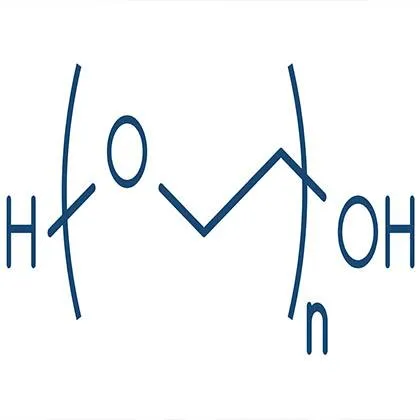
Polietilenglicols from PEG 200 through PEG 400 function as humectants, solvents for actives, and viscosity modifiers in serums and gels. Higher molecular weight PEG 1500 and PEG 4000 add slip and film-forming in stick products and hair styling gels. Pharmaceutical and cosmetic monograph grades support export formulaciones — detailed in the PEG in pharma formulaciones article.
Humectant polyols (glycerin, Propilenglicol, butylene glycol) complement PEG; Venus humectant and cuidado personal ranges support complete Formulación kits.
Solubilizing fragrances and essential oils
Clear body splashes and aqueous facial toners require solubilization of fragrance oils above their solubility limit. Polysorbate 20 at a 3:1 to 4:1 ratio to fragrance oil is a standard starting point. Aceite de ricino etoxilatos and PEG-40 Aceite de ricino hidrogenado (HLB ~14–16) solubilize heavier essential oil blends in natural-positioned products.
Turbidity point and cold-temperature clarity tests at 5°C for 48 hours validate solubilizer efficiency before scale-up. Insufficient solubilizer shows as haze or oil droplets on storage.
Pearlizing and aesthetic modifiers
Etilenglicol distearate and glycol stearate create pearlescent effects in shampoos and shower gels through crystalline platelet dispersion. Consulte la página de mezcla de champú perlescente para un chasis completo de SLES, distearato de glicol, cocamida MEA y CAPB. These aesthetics do not require high foam — pearlizing agents are often added to the cool-down phase below 45°C to preserve crystal structure.
Mildness, irritation, and dermatological testing
Primary irritation potential correlates with tensioactivo charge density and micelle concentration. Reducing total tensioactivo active while maintaining Limpieza via anfótero boosters is the standard mildness strategy. In vitro tests (e.g. corneocyte swelling, red blood cell tests) and in vivo patch tests support claims for sensitive-skin and baby products.
Preservative compatibility matters: some no iónicos weakly interact with Cuaternarios preservatives; confirm MIC preservation after emulsificante addition in challenge tests.
Regulatory and label considerations
INCI names on labels must match supplier documentation. RSPO-certified palm-derived feedstocks, vegan claims, and 1,4-dioxane limits on etoxilatod ingredients are common customer questionnaires for export to EU and US markets. Venus provides technical data sheets and regulatory support letters for registered cosmetic raw materials.
The evolution of cosmetic tensioactivo chemistry
Early twentieth-century cuidado personal cleansing relied almost entirely on Ácido graso soap, which — as in laundry Aplicaciones — suffered from hard-water scum formation and a relatively high, sometimes irritating pH. The commercial availability of synthetic tensioactivos from the 1930s onward, followed by the anfótero and mild anionic tensioactivo classes developed later in the century specifically for skin and eye mildness, allowed cuidado personal formuladores to decouple foam and cleansing Rendimiento from soap's inherent pH and hard-water limitations. This shift paralleled, and in many cases directly used, the same sulfonation and etoxilación chemistry developed for industrial and household detergenteees — sodium lauryl sulfate and sodium laureth sulfate, por ejemplo, are close relatives of the alkyl sulfate tensioactivos used in dish and laundry products, simply purified and specified to cosmetic-grade colour and impurity limits.
The more recent "sulfate-free" and "sensitive skin" positioning trend in shampoos, body washes, and baby products reflects growing consumer and dermatological attention to tensioactivo mildness rather than a fundamental change in tensioactivo chemistry — mild anionics like sodium cocoyl isethionate and anfótero betaines were developed decades ago but have moved from niche baby-care ingredients to mainstream premium Formulación as brands compete on gentle-cleansing claims.
Global cuidado personal market context
The global cuidado personal and cosmetics market has grown steadily for decades, driven by rising disposable income in emerging markets, an expanding middle class in Asia and Latin America, and increasing product frequency and category proliferation — multi-step skincare routines, por ejemplo, multiply the number of formulated products a single consumer uses relative to a generation ago. This growth directly drives demand for the tensioactivos, emulsificantes, and solubilizers covered in this guide, and increasingly for documentation supporting natural, sulfate-free, and sustainably sourced ingredient claims that Venus and other established cosmetic ingredient suppliers now provide alongside traditional certificates of analysis. Brand owners launching in new geographic markets should also confirm that their chosen tensioactivo and emulsificante system satisfies local cosmetic ingredient registration requirements, since acceptable INCI ingredients and concentration limits still vary meaningfully between major regulatory regions.
Choosing a cuidado personal chemical supplier
Consistent EO distribution, low peroxide and dioxane levels on etoxilatos, and batch-to-batch colour specifications reduce Formulación rework. Dual sourcing from India and the US supports supply resilience for multinational brand owners. Explore the cuidado personal application hub, chasis de mezclas de tensioactivos, the cosmetic emulsificantes INCI guide, and Contacte con Venus for samples of emulsificantes, polysorbates, PEG, and mild tensioactivo building blocks.