PEG e glicóis
PEG 200 vs 400 vs 600: propiedades, Aplicações and selección de grados
Low molecular weight Polietilenglicols are liquids at room temperature but differ meaningfully in viscosity, hygroscopicity, and Formulación role. PEG 200, PEG 400, and PEG 600 represent the most frequently specified liquid grades in pharmaceuticals, cosmetics, and industrial chemistry. This Comparación guide helps formuladores choose the right grade for solubilization, humectancy, and processing characteristics.
Nesta página
- Shared chemistry, different molecular weight
- Physical property Comparación
- PEG 200 — lightest liquid grade
- PEG 400 — pharma and cosmetic workhorse
- PEG 600 — intermediate semi-liquid
- Application selection table
- When to choose which grade
- How Polietilenglicol is Fabricado
- Global demand drivers for low molecular weight PEG
- Quality and sourcing considerations
Shared chemistry, different molecular weight
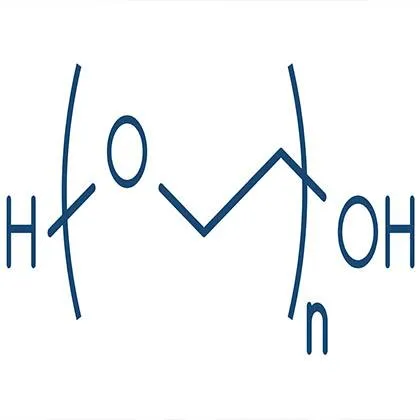
PEG 200, PEG 400, and PEG 600 are all Polietilenglicols (CAS 25322-68-3) differing in average molecular weight and thus physical propiedades. The grade number indicates approximate average MW: PEG 200 ≈ 190–210 g/mol, PEG 400 ≈ 380–420 g/mol, PEG 600 ≈ 570–630 g/mol. All three consist of repeating –(OCH2CH2)– units terminated by hydroxyl groups.
All three are water-soluble, hygroscopic liquids at ambient temperature — but PEG 600 is more viscous and can appear waxy or semi-solid at cooler temperatures than PEG 200. As molecular weight increases within the liquid range, vapour pressure decreases, viscosity rises, and freezing point moves upward. These incremental changes drive distinct Formulación behaviour even though the chemistry is identical.
Physical property Comparación
| Property | PEG 200 | PEG 400 | PEG 600 |
|---|---|---|---|
| Approx. average MW | ~200 | ~400 | ~600 |
| Form at 25°C | Low-viscosity liquid | Viscous liquid | Viscous liquid / soft semi-solid |
| Relative viscosity | Lowest | Moderate | Highest of the three |
| Hygroscopicity | High | High | Moderate to high |
| Water miscibility | Complete | Complete | Complete |
| Typical colour | Water-white | Water-white to faint yellow | Water-white to faint yellow |
PEG 200 — lightest liquid grade
PEG 200 is a colourless, non-volatile, hygroscopic liquid with the lowest viscosity of the three grades. It functions as a solvent, coupling agent, humectant, and defoaming aid. Aplicações include heat-transfer fluids, ink vehicles, fruit coatings, ceramic binders, and chemical intermediates for esterificação or etherification reactions.
Its low viscosity makes it easy to pump, meter, and blend at ambient temperature. In multi-component systems, PEG 200 often acts as a co-solvent that improves compatibility between water and less polar ingredients. Because of its relatively higher vapour pressure en comparación con PEG 400, it is less common in open topical products where very low-MW glycols may be limited by monograph — formuladores should verify pharmacopoeial acceptance for their specific grade and application.
PEG 400 — pharma and cosmetic workhorse
PEG 400 is more viscous than PEG 200 and ampliamente utilizados in pharmaceuticals as a solvent and solubilizer for actives that are poorly water-soluble. It appears in topical preparations, oral solutions, soft-gel fill liquids, and as a humectant in cosmetics and cuidado pessoal products. Many pharmacopoeias list PEG 300 and PEG 400 (or macrogol 400) with defined limits on impurities.
In cosmetics, PEG 400 provides skin humectancy without the tackiness associated with some polyols. It is a common carrier in fragrance and essential oil dilutions. industrial uses include hydraulic and brake fluids, metalworking lubricants, and as a plasticizer in adhesives. HP design-jet inks also use low-MW PEG as solvent and lubricant for print-head Rendimiento.
Avesta Pharma supplies pharmacopoeial-grade macrogol in this molecular weight range for regulated pharmaceutical markets. See our PEG in pharma formulaciones guide for estabilidad considerations.
PEG 600 — intermediate semi-liquid
PEG 600 bridges liquid and semi-solid behaviour. At room temperature it is a viscous liquid; at lower temperatures it may thicken noticeably. It is used in adhesives, antistatic agents, mold-release agents, leather finishing, and as an intermediate for PEGylation in pharmaceutical research — where attachment of PEG chains to proteins or small molecules improves solubility and circulation time.
Slightly higher molecular weight improves film-forming tendency in some coating Aplicações en comparación con PEG 400. In topical bases, PEG 600 can contribute body and substantivity. When blended with higher-MW solid PEG (e.g. PEG 4000), it helps tune the melting profile of suppository and ointment vehicles.
Application selection table
| Application | Best grade | Rationale |
|---|---|---|
| Pharmaceutical oral solubilizer | PEG 400 | Established excipient status, moderate viscosity |
| Cosmetic humectant serum | PEG 400 | Good water binding, acceptable skin feel |
| Low-viscosity industrial solvent | PEG 200 | Easy handling, maximum fluidity |
| Suppository base component | PEG 600 + PEG 4000 | Blend adjusts melting point |
| Adhesive plasticizer | PEG 600 | Higher body than PEG 400 |
| Ink and coating vehicle | PEG 200 / 400 | Low viscosity, good wetting |
When to choose which grade
Select PEG 200 when low viscosity and maximum water compatibility matter — por ejemplo in industrial solvent systems where pharmacopoeial grade is not required. Choose PEG 400 for pharmaceutical solubilization, cosmetic humectancy, and Aplicações where excipient monograph compliance is essential. Use PEG 600 when you need slightly higher body, melting characteristics, and film-forming tendency without moving to solid flakes (PEG 1500 and above).
Blending grades is a well-established strategy. A 50:50 mix of PEG 400 and PEG 4000, for instance, creates a semi-solid base with a melting point near skin temperature — ideal for topical delivery. Venus technical support can recommend blend ratios for specific melting point targets.
Venus fabrica PEG 200 through PEG 20000 from dedicated etoxilação plants in India and the Estados Unidos. See our full PEG range, Fabricación guide, and complete grades guide for higher molecular weight options.
How Polietilenglicol is Fabricado
Polietilenglicol is produced industrially by the ring-opening polymerization of óxido de etileno, initiated from water, Etilenglicol, or another short-chain alcohol under alkaline catalysis. The degree of polymerization — how many óxido de etileno units add to the growing chain before the reaction is stopped — determines the final average molecular weight, and therefore whether the product is labelled PEG 200, PEG 400, PEG 600, or a higher-molecular-weight solid grade. Because the polymerization is statistical rather than perfectly uniform, every PEG grade is technically a distribution of chain lengths clustered around the stated average molecular weight, which is why hydroxyl value titration rather than a single molecular weight number is the standard quality control test used to confirm grade identity.
This Fabricación process is essentially the same reaction used to produce álcool graxo etoxilatos and other alcoxilatos, except that PEG uses water or a simple glycol as the starter rather than a álcool graxo — which is why PEG is fully water-soluble across its entire molecular weight range while álcool graxo etoxilatos transition toward oil-solubility at low EO content. First developed as a commercial product in the early-to-mid twentieth century alongside the broader growth of óxido de etileno chemistry, PEG has since become one of the most ampliamente utilizados excipients in the pharmaceutical industry, valued for its low toxicity, solubilidad en agua, and the ability to fine-tune viscosity and melting behaviour simply by blending different molecular weight grades.
Global demand drivers for low molecular weight PEG
Liquid PEG grades see steady demand from pharmaceutical solubilization, cuidado pessoal humectancy, and a wide range of industrial uses including têxtile lubricants, ceramics, and metalworking fluids. Because PEG is water-white, low in odour, and compatible with an unusually broad range of other ingredients, it frequently appears as a supporting or carrier ingredient rather than the headline active — meaning demand tracks the growth of the finished products it enables (topical pharmaceuticals, cuidado pessoal serums, and specialty industrial fluids) more closely than any single end-use category.
This carrier-ingredient role also means PEG grade switches often go unnoticed by end consumers but matter greatly to Fabricación consistency. A formulador changing from PEG 400 to a blended PEG 300/PEG 600 system, for instance, needs to revalidate viscosity, active solubilization, and estabilidad even though the finished product label may not change at all.
Quality and sourcing considerations
Even among liquid PEG grades, quality parameters matter. Hydroxyl number confirms molecular weight; moisture and residual óxido de etileno must meet application-specific limits. Pharmaceutical users should source from suppliers with GMP-aligned systems — Avesta Pharma for macrogol in regulated markets, Venus for technical and multi-compendial supply.
Request COA, TDS, and samples through our contact page. Our quality assurance team supports customer audits and method alignment.