PEG & glycols
Polyethylene Glycol (PEG) Manufacturing in India
Polyethylene glycol is one of the most widely used polyethers in pharmaceuticals, cosmetics, and industry. India has become a major production hub — combining ethoxylation expertise, scale, and export-ready quality systems. Venus Ethoxyethers manufactures the full PEG grade range from dedicated alkoxylation plants in Goa, while subsidiary Avesta Pharma supplies pharmacopoeial macrogol to regulated markets worldwide.
On this page
- What is polyethylene glycol?
- Manufacturing process: ethoxylation
- PEG grades and typical applications
- Grade selection examples
- Pharmaceutical manufacturing: Avesta Pharma
- A brief history of polyethylene glycol
- Molecular-weight distribution, initiators, and oxidative ageing
- Why source PEG from India?
- Quality, safety, and regulatory support
- Storage and handling at the user site
- Specification checkpoints for PEG buyers
What is polyethylene glycol?
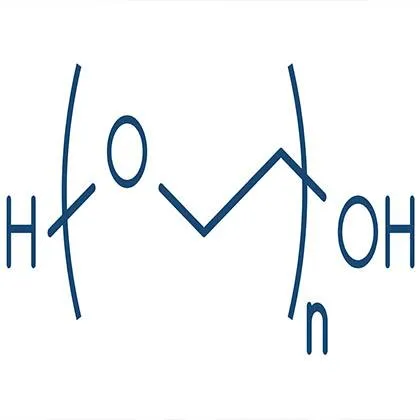
Polyethylene glycol (PEG, CAS 25322-68-3) is a polyether with the general structure H−(O−CH2−CH2)n−OH, produced by polymerizing ethylene oxide onto ethylene glycol or diethylene glycol. The repeating ethyleneoxy unit gives PEG its water solubility, low toxicity profile, and chemical versatility. All PEG grades share the same CAS number; they differ in average molecular weight, physical form, viscosity, and melting behaviour.
Low molecular weight grades (PEG 200–600) are clear, hygroscopic liquids used as solvents, humectants, and coupling agents. Mid-range grades transition to semi-solid pastes. High molecular weight grades (PEG 4000–20000) are waxy solids or flakes used as binders, thickeners, and tablet excipients. In pharmacopoeias, polyethylene glycol is often listed under the name macrogol, particularly in European and many international monographs.
PEG is chemically inert toward most common formulation ingredients, miscible with water in all proportions for liquid grades, and soluble in many polar organic solvents. These properties explain its ubiquity across dosage forms, personal care products, and industrial chemical systems.
Manufacturing process: ethoxylation
Industrial PEG production is an ethoxylation process — the same core technology used to make fatty alcohol ethoxylates and other alkoxylates. Ethylene oxide (EO) is added in controlled moles to a glycol starter (ethylene glycol or diethylene glycol) under catalytic conditions in dedicated, pressurized alkoxylation reactors. The number of EO units incorporated determines the average molecular weight and hence the grade name — PEG 400, PEG 4000, and so on.
The reaction proceeds through ring-opening addition of EO onto hydroxyl groups. Catalysts are typically alkaline (e.g. potassium or sodium hydroxide), and temperature and pressure are carefully controlled to manage heat of reaction and achieve the target molecular weight distribution. Batch or semi-continuous processes are common; larger producers run multi-purpose alkoxylation units capable of switching between PEG, alcohol ethoxylates, and other chemistries.
After reaction, products are neutralized, stripped to remove unreacted EO and volatile by-products, and filtered. Solid grades are flaked or milled to specification. Key quality parameters include:
- Average and distribution of molecular weight (GPC or equivalent)
- Hydroxyl number and acid value
- Moisture content and residual ethylene oxide within regulatory limits
- Appearance, colour (APHA), and pH of aqueous solution
- For pharma grades — compliance with pharmacopoeial monographs (USP, Ph. Eur., IP)
- Heavy metals, peroxides, and ethylene glycol/diethylene glycol limits where applicable
Venus Ethoxyethers operates multi-purpose alkoxylation units with parallel QA laboratories supporting batch release, customer specifications, and export documentation. Our Goa facility integrates R&D pilot reactors for custom molecular weight development before scale-up.
PEG grades and typical applications
PEG 200 / 300 / 400: Solvents, humectants, dispersants in cosmetics, inks, and metalworking fluids. Low viscosity liquids with high hygroscopicity. PEG 400 is among the most common pharmaceutical solvents for poorly water-soluble actives.
PEG 600 / 1000 / 1500: Semi-solid bases for ointments, suppositories, and topical preparations. Blends of liquid and solid PEG adjust melting point to skin or body temperature.
PEG 3350: Osmotic laxative active (macrogol 3350); requires tight control of molecular weight distribution and low levels of low-MW oligomers.
PEG 4000 / 6000 / 8000: Tablet binders, film coating, suppository bases, and cosmetic thickeners. Venus offers a dedicated PEG 8000 product page with pharmaceutical application detail.
PEG 12000 / 20000: High-MW solids for detergents, dispersants, anti-redeposition agents, and specialty pharma applications.
Grade selection examples
| Application | Recommended grade | Why this grade |
|---|---|---|
| Topical ointment base | PEG 400 + PEG 4000 blend | Adjust melting point to skin temperature |
| Tablet film coating | PEG 8000 | Solid flake, good film formation and flexibility |
| Injectable solubilizer | PEG 300 / 400 | Low viscosity liquid carrier with established pharma use |
| Anti-redeposition (detergent) | PEG 6000 | Soil suspension in wash liquor |
| Osmotic laxative | PEG 3350 | Tight MW distribution required by monograph |
| Cosmetic humectant serum | PEG 400 | Water binding without heavy skin feel |
| Solid dispersion carrier | PEG 6000 / 8000 | Enhances dissolution rate of poorly soluble APIs |
See also: PEG 200 vs 400 vs 600, PEG grades guide, PEG in pharma formulations.
Pharmaceutical manufacturing: Avesta Pharma
Pharmaceutical and excipient-grade PEG must meet stringent identity, purity, and impurity profiles. Venus Ethoxyethers subsidiary Avesta Pharma manufactures polyethylene glycol / macrogol grades for supply to regulated markets including the United States, Europe, and Canada — supporting tablet coating, laxative powders, suppositories, and parenteral formulations where monographs allow.
Avesta operates under GMP-aligned quality systems with documented change control, validated analytical methods, and batch traceability from raw material receipt through finished goods release. Certificates of analysis confirm compliance with USP, Ph. Eur., and customer-specific limits on ethylene oxide residuals, heavy metals, and related glycol impurities.
Technical-grade PEG for industrial applications — detergents, lubricants, chemical synthesis, and coatings — is manufactured under Venus quality systems with full traceability and COA support. The same ethoxylation expertise underpins both product lines; grade selection and documentation depth differentiate pharma from industrial supply.
A brief history of polyethylene glycol
Ethylene oxide, the building block of PEG, was first prepared in the nineteenth century, but industrial-scale production of ethylene oxide and its polymerization into polyether chains only became practical in the early twentieth century alongside broader advances in petrochemical processing. Polyethylene glycol itself belongs to a wider family of polyethers — poly(ethylene oxide) at very high molecular weight is chemically the same repeating unit as low-molecular-weight PEG, but convention names it PEG below roughly 20,000–100,000 g/mol and poly(ethylene oxide) or PEO above that threshold, where the material behaves as a true engineering thermoplastic rather than a waxy solid or liquid. This naming split reflects the compound's dual identity: at low molecular weight it is a small, water-soluble, pharmacologically inert molecule; at high molecular weight it is a semi-crystalline polymer used in plastics, thickeners, and drug-delivery matrices.
PEG's combination of low toxicity, water solubility across the full molecular weight range, and chemical inertness toward most reagents made it one of the most extensively studied excipients in pharmaceutical science. Its use expanded steadily through the mid-twentieth century as pharmacopoeias formalized macrogol monographs, and it remains one of the few polymers approved for direct human ingestion, injection, and topical application depending on grade and purity — a versatility that underpins the broad grade range Venus and Avesta Pharma manufacture today.
Molecular-weight distribution, initiators, and oxidative ageing
Industrial PEG is never a single chain length. Base-catalysed ethoxylation of ethylene glycol or diethylene glycol produces a distribution of oligomers whose breadth depends on initiator, catalyst level, temperature, and how ethylene oxide is fed. Narrower distributions matter for PEG 3350 laxative monographs and for some parenteral solubilizers, because low-molecular-weight tails raise osmolality and impurity flags for ethylene glycol and diethylene glycol. Switching the starter from MEG to DEG shifts the early oligomer pattern; both routes can meet a target average molecular weight, but the GPC trace and hydroxyl number will not be identical.
PEG oxidizes slowly in air, especially liquid grades, forming peroxides that later generate formaldehyde and acids. Nitrogen blanketing, antioxidants where permitted, and peroxide testing on incoming lots protect pharmaceutical and cosmetic users. Solid flakes pick up less oxygen than bulk liquid but cake if stored humid. For custom molecular weights, Venus uses pilot alkoxylation to lock distribution and colour before commercial campaigns, then matches hydroxyl number, APHA colour, and residual EO to the agreed specification rather than to a catalogue average alone.
Why source PEG from India?
India offers established ethoxylation infrastructure, competitive scale, and experienced export logistics. Domestic manufacturers can supply both bulk industrial volumes and pharma-grade material with shorter lead times than many import-only channels. The country's chemical sector has invested heavily in pressurized EO handling, environmental compliance, and analytical capability over the past two decades.
For global formulators, sourcing from an Indian manufacturer with U.S. production capability provides supply-chain resilience. Venus combines 90,000 MT group manufacturing capacity across India and the U.S., 24/7 R&D, and custom molecular weight capabilities. See our full polyethylene glycol product page for grade-by-grade technical detail.
Quality, safety, and regulatory support
PEG is generally regarded as safe (GRAS) for many food and pharma uses when the grade matches the intended application. Toxicity decreases with increasing molecular weight; low-MW grades are absorbed more readily than high-MW solids. Formulators should match grade to route of administration and monograph requirements.
Our quality assurance and analytical facilities support method validation, stability data, and customer audits. Documentation packages include TDS, MSDS, and regulatory statements for REACH, FDA Drug Master File references where applicable, and pharmacopoeial compliance certificates.
Contact Venus Ethoxyethers for samples, technical consultation, and export documentation. Visit our manufacturing infrastructure page for plant capability overview.
Storage and handling at the user site
Liquid PEG grades should be stored in sealed containers to limit moisture uptake and oxidation. Solid flakes and powders require dry, cool conditions; caking can occur if material is exposed to humidity. PEG is stable at ambient temperature for extended periods when properly packaged. For pharma users, retest dates and storage conditions on the COA should be followed to maintain excipient qualification status.
Specification checkpoints for PEG buyers
Industrial flake and pharmacopoeial macrogol can share a nominal molecular weight and still be non-substitutable. Ask for average MW or hydroxyl number, water, colour (APHA), pH of a dilute solution, ethylene glycol / diethylene glycol, residual ethylene oxide, and heavy metals on pharma grades. Avesta Pharma lots carry the tighter monograph window; Venus technical PEG is intended for detergents, textiles, ceramics, and synthesis with COA and traceability.
| Issue | Typical cause | Action |
|---|---|---|
| Cloudy liquid PEG 400/600 | Moisture or near-freeze haze | Warm, mix, check water; reseal drums |
| Caked PEG 4000 flakes | Humidity in the warehouse | Gentle melt or mill; improve storage |
| Weak wet-granulation tablets | Binder level or dry too fast | Raise PEG 6000/8000 slightly; slower dry |
| Ointment too soft in summer | Solid:liquid PEG ratio too low | Increase PEG 4000 vs PEG 400 |