
Blogs
Educational articles on surfactants, emulsifiers, polyethylene glycols, and specialty chemicals — from Venus Ethoxyethers, with over 30 years of manufacturing experience in India and the United States.

Agro Emulsifier Guide
Emulsifiers for EC, EW, SC and OD crop-protection systems — HLB blends, bloom tests and APE-free package selection.
Read article
Amides & Alkanolamides Guide
Cocamide DEA, MEA and MIPA — foam boost, SLES viscosity building and DEA-free personal care alternatives.
Read article
DOSS (Dioctyl Sulfosuccinate) Guide
Dioctyl sodium sulfosuccinate wetting agent — low CMC performance for coatings, agro, textiles and cleaners.
Read article
FAE Grades Selection Guide
C9–C11, C12–C15 and EO mole selection — cloud point, narrow-range vs conventional detergent and emulsifier grades.
Read articleGlycol Fatty Acid Esters Guide
EGMS, EGDS and PEG esters for pearlizing, opacifying and O/W emulsification in personal care formulas.
Read article
Non-Formaldehyde Dye Fixing
HCHO-free cationic dye fixers for reactive cotton — wash fastness, application practice and mill trial checklist.
Read article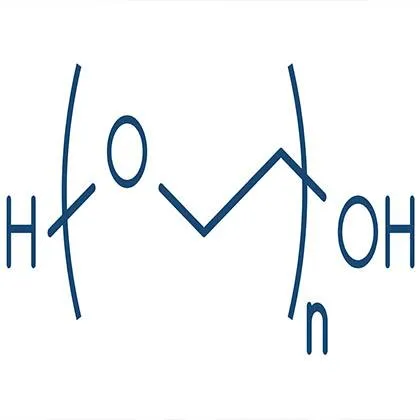
PEG 4000 / 6000 / 8000 Guide
Solid polyethylene glycol grades for ointment bases, tablets and industrial wax — melt behaviour and pharma specs.
Read article
Specialty Phosphate Ester Grades
Mono/di and ethoxylated phosphate ester grade matrix for soak tanks, spray washers and alkaline metal cleaning.
Read article
Stearyl Amine & Stearic Ethoxylates
C18 amine and stearic ethoxylates for cream emulsifiers, textile antistats and industrial oil emulsification.
Read articleCAPB (Cocamidopropyl Betaine) Guide
Cocamidopropyl betaine buyer guide — shampoo chassis, salt curves, impurity specs, CAPB vs hydroxysultaine and blend examples.
Read article
Emulsion Breakers for Crude Oil
Field guide to emulsion breakers — injection points, bottle-test SOP, dosage, BS&W targets and troubleshooting at the separator.
Read articleHydroxysultaine Guide
Cocamidopropyl hydroxysultaine vs CAPB — electrolyte tolerance, dish liquids, personal care and industrial foam systems.
Read articlePolyethylene Glycol Uses by Industry
PEG applications across pharma, personal care, detergents, textiles, ceramics and industrial solvents — mapped to molecular weight grades.
Read articlePolysorbate vs Sorbitan Ester Guide
Polysorbate vs sorbitan ester — HLB pairing, O/W vs W/O choice and worked blend examples for formulators.
Read articlePrimary vs Secondary Emulsifiers (OBM)
How primary and secondary emulsifiers work in oil-based mud — dose ranges, lime soap systems, amine packages and troubleshooting.
Read articleViscoelastic Surfactants (VES) Guide
VES worm-like micelle gels for acidizing diversion, fracture diversion and conformance — selection, breakers and field testing.
Read article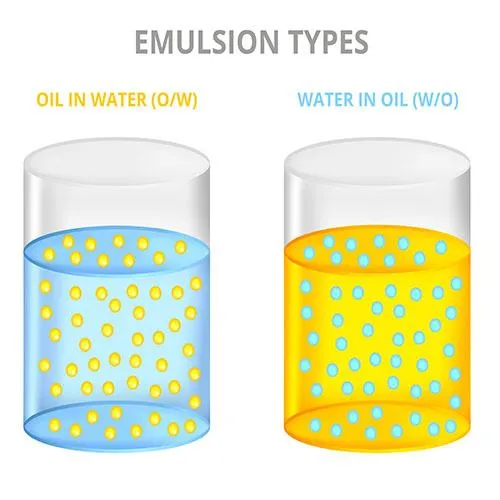
What Is an Emulsifier?
Emulsifier definition, O/W vs W/O, HLB basics, and how emulsifiers differ from general surfactants — with links to Venus product guides.
Read articleSorbitan Esters Guide
sorbitan-type sorbitan esters — HLB grades, polysorbate blending, and cream, food and industrial examples.
Read articleAlkyl Quinoline & Pyridine Quats Guide
Quaternary ammonium corrosion inhibitors for oil and gas — alkyl quinoline and pyridine quat chemistry and field use.
Read articleOil-Based Mud Additives Guide
Invert-emulsion drilling mud chemistry — primary and secondary emulsifiers, wetting agents and rheology control for OBM systems.
Read article
Agrochemical Adjuvants Middle East
Crop protection adjuvants for GCC and Middle East — silicone spreaders, EC emulsifiers and hard-water tank mixes.
Read article
Agrochemical Formulation Guide
SC, SE, EC, WDG and SL crop protection formulations — surfactant roles, stability testing and emulsifier selection.
Read articleAlkali-Stable Surfactants Guide
Caustic-stable surfactants for alkaline metal cleaning, CIP and institutional degreasing at high pH.
Read article
Alkyl-Capped Surfactants Guide
End-capped and methyl-capped ethoxylates — low foam, cloud point control and metal cleaning performance.
Read articleAmphoteric Surfactants Guide
Betaines, amphoacetates and mild cleansers — compatibility with anionics, foam boosting and personal care formulations.
Read articleBiodegradable Surfactants Guide
Readily biodegradable surfactants — OECD testing, eco-labels and grade selection for detergents.
Read articleCarboxylate Surfactants Guide
Soap-free carboxylate surfactants — mild anionics for personal care, metal cleaning and emulsification.
Read articleCationic Surfactants Guide
Quaternary ammonium and amine surfactants — softening, emulsification, corrosion inhibition and antimicrobial uses.
Read articleCETEARETH-20 & Ceteth Guide
Ceteareth-20, Ceteth-2 and Ceteth-20 — HLB, O/W emulsification and cosmetic formulation examples.
Read articleChelating Agents Guide
Chelators for hard water, metal cleaning and oilfield scale control — EDTA alternatives and sequestrants.
Read article
CIP & Machine Dishwashing Guide
Low-foam surfactants for CIP, brewery cleaning and machine dishwash — chemistries and dosing.
Read article
Cloud Point Surfactants Guide
Cloud point of nonionic surfactants — temperature stability, selection and low-foam behaviour above CP.
Read articleCMC & Micelles Guide
Critical micelle concentration, micelle formation and what it means for detergency and solubilization.
Read articleConcrete Additives Guide
Surfactants in concrete admixtures — air entrainment, grinding aids and oilfield cement applications.
Read articleCosmetic Emulsifiers INCI Guide
Hub guide to Ceteareth, Laureth, PEG stearates, PPG ethers and glycereth — HLB selection and 30 INCI emulsifiers.
Read articleDemulsifier vs Defoamer Guide
Oilfield demulsifiers and defoamers compared — when each is used in production and processing.
Read articleDetergent Formulation Guide
Laundry and I&I detergent formulation — surfactant blends, builders, enzymes and worked examples.
Read article
Emulsifier Supplier Qualification Guide
How to qualify a surfactant or emulsifier supplier — audits, COA, impurity limits and technical support checklist.
Read article
Emulsion Polymerization Guide
Surfactants for latex and emulsion polymerization — stability, particle size control and APE-free systems.
Read articleEnhanced Oil Recovery Guide
EOR surfactants and chemical flooding — microemulsions, mobility control and tertiary recovery chemistry.
Read articleEO Moles Selection Guide
Choosing 3, 7 or 9 moles of ethylene oxide — cloud point, HLB and application mapping.
Read articleFAE for Southeast Asia & Africa
Fatty alcohol ethoxylates for ASEAN and African detergent markets — climate, hard water and export supply from India.
Read articleFatty Acid Ethoxylates Guide
FAE from oleic, stearic and coconut fatty acids — emulsification, lubricity and formulation examples vs alcohol ethoxylates.
Read articleGlycereth-26 & PEG Lanolin Guide
Glycereth-26 humectant, PEG-75 lanolin and PEG-3 glyceryl cocoate — functions and formulation tips.
Read articleGMS vs Glycol Stearate Guide
Glycerol monostearate vs glycol stearate — emulsification, texture and personal care formulation.
Read articleHard Water Detergent Guide
Surfactants and builders for hard water laundry and cleaning — calcium tolerance and formulation design.
Read articleHigh Molecular Weight PEG Guide
PEG 8000, 10000 and 20000 — wax-like grades for pharma, cosmetics and industrial binders.
Read articleHomecare & HINI Surfactants Guide
Household and institutional cleaning surfactants — hard surface, laundry and HINI formulation bases.
Read articleHumectants & Pearlizing Agents Guide
PEG humectants, glycol ethers and pearlizing surfactants for shampoos, lotions and cosmetic bases.
Read articleHydrogenated Castor Oil Guide
HCO and castor wax emulsifiers — cosmetic, industrial and agro applications of hydrogenated castor oil.
Read articleH₂S Scavengers & Flowback Aids Guide
Hydrogen sulfide scavengers and flowback surfactants for completion and production operations.
Read articleLAS vs SLES vs AOS Comparison
Compare linear alkylbenzene sulfonate, SLES and alpha olefin sulfonate — foam, mildness and hard water.
Read articleLaureth & Oleth Guide
Laureth-4, Laureth-12, Laureth-23, Oleth-10 and Oleth-20 — HLB comparison and solubilization uses.
Read articleLauryl & C12–C15 Ethoxylates Guide
Lauryl alcohol, C12–C15 and tridecyl ethoxylates — detergency, wetting and EO mole selection for cleaners and agro.
Read article
Leather Syntans & Fatliquors Guide
Powder and liquid syntans, fatliquors and beamhouse auxiliaries — surfactants in leather processing.
Read articleMetal Brighteners & Complexing Guide
Metal brightener additives and complexing agents for electroplating, cleaning and surface treatment.
Read articleNPE Alternatives & APE-Free Guide
Replacing nonylphenol ethoxylates — regulatory drivers, APE-free surfactants and reformulation paths.
Read articleO/W vs W/O Emulsion Guide
Oil-in-water vs water-in-oil emulsions — HLB selection, emulsifier pairing and formulation examples.
Read articleOilfield Corrosion Inhibitors Guide
Corrosion inhibitors for upstream oil & gas — amine films, imidazolines and pipeline protection chemistry.
Read articleOPE vs NPE Comparison
Octylphenol vs nonylphenol ethoxylates — HLB, performance, regulations and reformulation paths.
Read articleOxo Alcohol Ethoxylates Guide
Synthetic oxo alcohol ethoxylates — C9–C11 and C13 wetting, hard-water tolerance and branched-chain performance.
Read article
Paper Sizing & Tissue Guide
Internal and surface sizing, tissue wet strength and paper auxiliaries — surfactants in pulp and paper.
Read articlePEG Laurate & Oleate Guide
PEG-200 and PEG-400 mono- and di-laurate/oleate esters — mono vs di selection for cosmetic emulsions.
Read articlePEG Stearate Emulsifiers Guide
PEG-100, PEG-40, PEG-20 stearate and PEG distearate grades — emulsifier roles, HLB and shampoo thickening.
Read articlePEG vs PPG Solvent Guide
Polyethylene glycol vs propylene glycol — solubility, toxicity and formulation selection.
Read articlePEG-6 Methyl Ether Guide
PEG-6 methyl ether (mPEG) as cosmetic solvent, humectant and formulation carrier in personal care.
Read articlePesticide Wetting Adjuvants Guide
Tank-mix adjuvants, leaf wetting, rainfastness and drift control — nonionic and silicone spreaders for crop protection.
Read articlePharma-Grade PEG Sourcing India
USP and pharma-grade polyethylene glycol from India — excipient specs, stability and supplier documentation.
Read article
Pigment Dispersion Guide
Pigment wetting and dispersing agents for paint, ink and coatings — HLB, stability and milling auxiliaries.
Read articlePPG Emollients Guide
PPG-15 stearyl ether, PPG butyl ethers and PPG-12-Buteth-16 — emollient and antiperspirant applications.
Read articleSilicone vs Nonionic Adjuvant
Organosilicone spreaders vs alcohol ethoxylate wetting agents — when to use each in crop protection.
Read articleStyrenated Phenol Ethoxylates Guide
SPE for emulsion polymerization and latex — APE replacement with high EO styrenated phenol grades.
Read article
Surfactant Exporter India Guide
Exporting surfactants from India — documentation, logistics, quality compliance and buyer checklist for global supply.
Read articleTallow & Diamine Ethoxylates Guide
Tallow amine and diamine ethoxylates — asphalt emulsions, corrosion inhibition and cationic behaviour.
Read articleTop 10 Uses of Castor Oil Ethoxylates
Ten key applications of castor oil ethoxylates — cosmetics, agro, textiles and industrial emulsions.
Read articleTop 10 Uses of Fatty Alcohol Ethoxylates
Ten essential industrial applications of FAE — detergents, textiles, agro, metal and more.
Read articleOil & Gas Production Chemicals Guide
Beyond demulsifiers — corrosion inhibitors, scavengers, EOR surfactants, foam control and paraffin management.
Read articleTextile Printing Auxiliaries Guide
Print paste thickeners, binders, wetting and foam control for pigment and reactive rotary screen printing.
Read article
Venadol & Reactive Monomers Guide
Gemini surfactants for wetting and foam control; Harcryl phosphate monomers for coating adhesion.
Read articleWool Textile Processing Guide
Wool and worsted scouring, carbonizing, dyeing and finishing — surfactants that protect fibre without felting.
Read articleChoosing a Surfactant Manufacturer in India
Buyer's guide — quality systems, toll alkoxylation, export documentation and supplier qualification checklist.
Read articleGlycerol & Glycol Esters Guide
GMS, GMO, glycol stearate and pearlizing esters — HLB pairing, O/W creams and personal care formulation.
Read articlePhosphate Esters Guide
Mono and di-esters for alkaline metal cleaning — wetting, emulsification, corrosion inhibition and formulation examples.
Read articleSulfates & Sulfosuccinates Guide
LAS, SLES, AOS and sulfosuccinate emulsifiers — detergency, foam, hard water and polymerization examples.
Read articleNarrow Range Ethoxylates Guide
Sharper EO distribution, cloud point control and when NRE outperforms broad-range FAE in detergents and latex.
Read articlePaint & Coating Emulsifiers Guide
Emulsion polymerization, pigment dispersants and HLB selection for architectural and industrial coatings.
Read articlePersonal Care Surfactants Guide
Mild cleansers, O/W emulsifiers, polysorbates and PEG — formulation examples for shampoos, lotions and cosmetics.
Read article
Propoxylates Guide
PO chemistry, block vs random copolymers, low-foam wetting and industrial applications of propoxylates.
Read articleCustom Ethoxylation & Toll Services
Contract ethoxylation and toll manufacturing in India — scale, QA, and export-ready supply from Venus.
Read articleFAE for US & EU Detergents
Fatty alcohol ethoxylates for North American and European detergent formulations — compliance and performance.
Read articleLeather Chemicals Guide
Beam house, syntans, fatliquors and finishing — surfactants across leather processing stages.
Read articlePaper Deinking Guide
Deinking chemistries for recycled fibre — surfactants, dispersants and foam control in pulp mills.
Read article
Defoamers Guide
Silicone and non-silicone defoamers for oil & gas, paper, and industrial processing — selection and dosing.
Read article
Denim & Polyester Textile Guide
Pretreatment, desizing, scouring and dyeing of denim and polyester — surfactants and auxiliaries.
Read articleFatty Amine Ethoxylates Guide
Cationic and nonionic amine ethoxylates — softening, corrosion inhibition, and emulsification.
Read articleAnionic Surfactants Guide
Sulfates, sulfonates and phosphate esters — detergency, foam, hard-water behaviour and formulation examples.
Read articleCastor Oil Ethoxylates Guide
COE grades, ricinoleic chemistry, and applications in cosmetics, agro and industrial emulsions.
Read articleMethyl Ester Ethoxylate Guide
Low-foam MEE surfactants — structure, biodegradability, and laundry and institutional cleaning examples.
Read article
Neem Oil Emulsifier Guide
Emulsify neem oil for agriculture — EC design, HLB matching, and dilution stability examples.
Read articleEO-PO Block Copolymers
EO–PO block structures, low-foam behaviour, and examples in metal working and paper.
Read articleLow-Foam Surfactants Guide
Reduce foam in CIP, metal working and spray cleaners — chemistries and formulation examples.
Read article
Triethanolamine (TEA) Guide
TEA 85% vs 99%, neutralization, corrosion inhibition — worked detergent and metal-fluid examples.
Read articleFatty Alcohol Ethoxylates Guide
FAE grades by chain length and EO moles — detergents, textiles, agro with formulation examples.
Read articleHLB Scale Guide
How to use the HLB scale — required HLB of oils, emulsifier blending, and O/W formulation examples.
Read article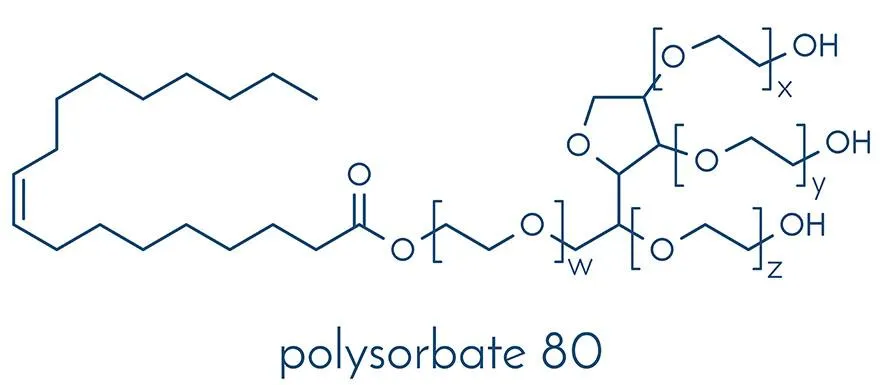
Polysorbate 20 vs 60 vs 80
Compare polysorbate grades — fatty acid, HLB, and worked examples in pharma, food and cosmetics.
Read articleEmulsifiable Concentrates (EC)
EC formulations as the backbone of modern agrochemicals — emulsifier selection, stability, and field dilution.
Read articleTop 10 Uses of Alkyl Phenol Ethoxylate
Industrial applications of alkyl phenol ethoxylates — detergency, emulsion polymerization, textiles, and more.
Read articleAPE Comparison Guide
Comparing nonyl, octyl, card and styrenated phenol ethoxylates — which alkyl phenol fits your application?
Read article
Cotton Textile Treatment
Pretreatment, scouring, bleaching and dyeing of cotton — surfactants and auxiliaries for consistent quality.
Read articleFAE for Brazil Industrial Cleaning
Optimizing fatty alcohol ethoxylates for Brazilian industrial and institutional cleaning — performance and sourcing from India.
Read article
Textile Desizing Process
Desizing in textile pretreatment — enzymes, oxidatives, and surfactants for cotton and blended fabrics.
Read articleFAE for UAE Detergent Market
Fatty alcohol ethoxylates for Middle East detergent and cleaning formulations — hard water, climate, and export supply.
Read articlePEG in Pharma Formulations
How polyethylene glycol improves stability of pharmaceutical and cosmetic formulations — excipient roles and grade selection.
Read articlePEG 200 vs 400 vs 600
Compare low molecular weight polyethylene glycols — viscosity, solubility, and industrial vs pharmaceutical uses.
Read article
PEG Grades Guide
Complete guide to PEG 200 through PEG 20000 — physical forms, melting points, and application mapping.
Read articleSurfactant vs Emulsifier
Key differences between surfactants and emulsifiers, when they overlap, and how to choose for your formulation.
Read articleDemulsifiers Explained
Breaking oil-water emulsions in crude oil production, refining, and wastewater — mechanisms and applications.
Read articleNonionic Surfactants
Types, cloud point, advantages and applications of nonionic surfactants in cleaning, textiles, agro and pharma.
Read articleNonylphenol Ethoxylate Guide
NPE grades, mole variants, industrial applications, regulations, and safer formulation alternatives.
Read articleSilicone Spreaders in Agriculture
Improve pesticide, herbicide and fertilizer efficiency with organosilicone spreaders — wetting, coverage and rainfastness.
Read articleEmulsifier Manufacturers India
Emulsifiers for agrochemicals and industry — stabilization, dispersion, penetration, and Indian manufacturing advantages.
Read articlePEG Manufacturing in India
How polyethylene glycol is manufactured, grades from PEG 200 to 20000, and quality for pharma and industrial use.
Read articleSurfactant Types Guide
Nonionic, anionic, cationic and amphoteric surfactants — properties, HLB ranges, and where each class performs best.
Read articleWhat Is a Surfactant?
How surface-active agents reduce tension, form micelles, and enable cleaning, emulsification, and wetting across industries.
Read articleNo articles match
Try a different keyword or clear filters to browse the full library.
Need a grade or formulation recommendation?
Our technical team can help you select surfactants, emulsifiers, and PEG grades for your application.