PEG & glycols
High Molecular Weight PEG Guide: PEG 8000, 10000 and 20000 for Pharma and Industry
Polyethylene glycols above PEG 4000 occupy a distinct formulation space — hard, wax-like solids with melting points approaching 75°C, low hygroscopicity relative to liquid grades, and roles as tablet binders, film-coating plasticizers, suppository bases, cosmetic thickeners, and industrial anti-redeposition agents. This guide focuses on high-MW PEG grades PEG 8000, PEG 10000, and PEG 20000: physical properties, melting behaviour, pharmacopoeial status, and selection criteria for pharmaceutical and technical applications. Venus Ethoxyethers and subsidiary Avesta Pharma manufacture macrogol grades under GMP-aligned quality systems for regulated markets, alongside technical high-MW PEG for industrial volume.
On this page
- Defining high molecular weight PEG
- High-MW PEG properties comparison table
- PEG 8000: the pharmaceutical workhorse
- PEG 10000 and PEG 12000
- PEG 20000: maximum hardness and dispersant applications
- Pharma vs technical grade high-MW PEG
- Processing high-MW PEG in formulations
- Choosing between PEG 8000, 10000, and 20000
- Blending high-MW PEG grades
- Storage and handling
- Regulatory and pharmacopoeial nomenclature
- Industrial applications beyond pharma
- Pharmacopoeial specification and processing troubleshooting
- Custom high-MW grades and toll manufacturing
Defining high molecular weight PEG
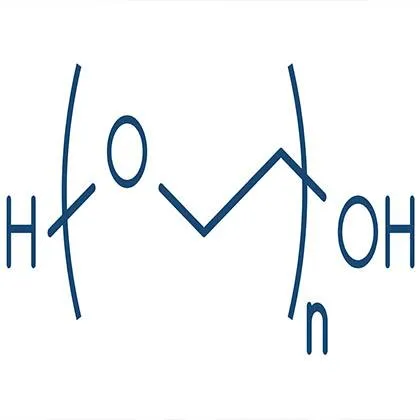
Polyethylene glycol (PEG), CAS 25322-68-3, is a polymer of repeating ethylene oxide units with terminal hydroxyl groups. Average molecular weight determines physical form: below PEG 600, products are liquids at room temperature; PEG 1000–3350 are semi-solids; PEG 4000 and above are white to off-white flaky or powdered solids.
High-MW PEG in industry usage generally means PEG 8000 and above — grades where melting point exceeds typical ambient warehouse temperatures, hardness supports direct compression and melt processing, and hygroscopicity is low enough for stable powder handling without aggressive caking.
The number in the grade name (8000, 10000, 20000) indicates nominal average molecular weight in g/mol. Actual MW distribution affects melting range, viscosity in melt, and pharmacopoeial compliance. For the full PEG range including liquids and semi-solids, see PEG grades guide and polyethylene glycol product hub.
High-MW PEG properties comparison table
| Grade | Nominal avg. MW (g/mol) | Physical form (25°C) | Melting range (typical) | Kinematic viscosity at melt | Primary applications |
|---|---|---|---|---|---|
| PEG 4000 | 3000–3700 | Flake / powder | 50–63°C | Low melt viscosity | Binder, thickener, ceramic, general pharma |
| PEG 6000 | 5400–6600 | Flake / powder | 55–63°C | Moderate | Binder, lubricant, detergent anti-redeposition |
| PEG 8000 | 7200–8800 | Flake / powder | 60–65°C | Moderate | Pharma excipient, film coating, capsule lubrication |
| PEG 10000 | 9000–11000 | Flake / powder | 63–68°C | Higher melt viscosity | Hard suppository base, specialty binder, detergent wax |
| PEG 12000 | 10800–13200 | Flake / powder | 65–70°C | Higher | Dispersant, ink, specialty pharma |
| PEG 20000 | 18000–22000 | Flake / powder | 68–75°C | High hardness | Detergent dispersant, maximum hardness wax applications |
Melting range is measured by capillary or DSC methods and varies with molecular weight distribution. Pharmacopoeial monographs (USP, Ph. Eur., IP, JP) specify identification tests, average MW, acidity, water content, and limits on ethylene glycol, diethylene glycol, and 1,4-dioxane-related impurities.
PEG 8000: the pharmaceutical workhorse
PEG 8000 (macrogol 8000 in European pharmacopoeias) is the most widely specified high-MW PEG in oral solid dosage forms. Functions include:
- Wet granulation binder — dissolved or melted in granulating fluid to agglomerate powder particles before compression
- Film coating plasticizer — improves flexibility and adhesion of cellulosic and acrylic coatings on tablets
- Capsule lubricant — reduces friction in hard gelatin capsule filling when used at low concentration
- Direct compression diluent/binder — in melt granulation and hot-melt extrusion at appropriate loadings
- Suppository and topical base component — blended with lower-MW PEG for hardness tuning
PEG 8000 offers a balance of melting point, melt viscosity, and established monograph status that PEG 4000 (softer) and PEG 20000 (very hard) do not always match. Avesta Pharma supplies macrogol 8000 under GMP-aligned systems for US, European, and other regulated markets.
Product detail: PEG 8000. Stability in drug products: PEG in pharmaceutical formulations.
PEG 10000 and PEG 12000
Grades between PEG 8000 and PEG 20000 serve applications requiring higher melting point and greater solid hardness:
- Suppository bases — higher melting PEG raises dissolution point for tropical climate distribution; blended with PEG 4000 or PEG 1500 for drug release tuning
- Cosmetic sticks and lip products — structure and gloss from high-MW PEG wax
- Toothpaste thickeners — PEG 8000 and 10000 adjust rheology and bind water
- Tablet coatings — where harder, less tacky plasticizer is needed vs PEG 4000
Melt viscosity rises with MW — high-MW grades require higher processing temperatures and may need solvent granulation rather than melt methods if heat-sensitive APIs are present.
PEG 20000: maximum hardness and dispersant applications
PEG 20000 is among the highest commercial PEG grades used routinely in industry. Its very high melting point (up to ~75°C) and hardness make it suitable for:
- Laundry and detergent anti-redeposition — PEG 6000 and 20000 adsorb on fabric and soil particles, preventing reattachment during wash cycle
- Ink and coating dispersants — high-MW PEG aids pigment dispersion in water-based systems
- Ceramic and powder metallurgy binders — burn-out is clean with low ash vs natural binders
- Specialty pharmaceutical applications — where pharmacopoeial monograph exists or customer specification allows
PEG 20000 is not always listed in every pharmacopoeia at the same detail level as PEG 8000 — confirm monograph availability and customer qualification requirements before specifying in drug products.
Pharma vs technical grade high-MW PEG
| Attribute | Pharmacopoeial (macrogol) | Technical grade |
|---|---|---|
| Manufacturing | GMP-aligned, validated methods | ISO quality, COA per batch |
| Impurity limits | USP / Ph. Eur. / IP / JP limits on glycols, metals, EO residuals | Fit for industrial use; tighter on request |
| Documentation | DMF support, change control, stability data | COA, SDS, batch traceability |
| Typical use | Oral, topical, suppository drug products | Detergents, ceramics, lubricants, synthesis |
| Cost | Premium for compliance and audit readiness | Competitive for high-volume industrial |
Using technical PEG in a pharmaceutical product without pharmacopoeial compliance is a regulatory violation — procurement must match grade to application. Venus supplies both channels from integrated manufacturing.
Processing high-MW PEG in formulations
Wet granulation: Dissolve PEG 8000 in water or hydroalcoholic granulating fluid at 60–80°C; add to powder blend in high-shear or fluid-bed granulator; dry to LOD target. Binder concentration typically 2–10% w/w depending on tablet hardness and dissolution target.
Hot-melt extrusion: PEG 8000 and blends act as thermoplastic carriers for taste masking and sustained release. Screw temperature profile must exceed PEG melting point without degrading heat-sensitive APIs.
Film coating: PEG 8000 added to coating dispersion as plasticizer (often 10–30% of polymer solids). Reduces brittleness of HPMC, PVA, or acrylic films.
Melt casting (suppositories): Melt PEG blend, disperse or dissolve API, pour into moulds. PEG 8000 + PEG 4000 blends tune melting and dissolution.
Direct compression: High-MW PEG as dry binder is less common than in wet granulation; micronized PEG or coprocessed excipients improve flow.
Manufacturing background: PEG manufacturing in India.
Choosing between PEG 8000, 10000, and 20000
- Melting point required at storage and shipping conditions — tropical markets may need PEG 10000+ for suppositories
- Melt viscosity during processing — lower MW melts flow more easily in coating pans and extruders
- Dissolution rate in drug product — higher MW PEG dissolves more slowly in aqueous media
- Hygroscopicity — all high-MW PEGs are less hygroscopic than PEG 400, but PEG 20000 is lowest among solids
- Monograph and customer qualification — PEG 8000 has broadest pharma acceptance
- Hardness in cosmetic sticks — PEG 10000–20000 for maximum structure
Liquid PEG comparison for solubilization and ointment vehicles: PEG 200 vs 400 vs 600.
Blending high-MW PEG grades
PEG grades are chemically compatible across the MW range. Blending PEG 8000 with PEG 4000 or liquid PEG 400 is standard practice for tuning:
- Suppository melting point (body temperature release)
- Ointment consistency and spreadability
- Coating plasticization level
Melting point of blends is approximately weight-averaged but should be confirmed by DSC when critical to product performance.
Storage and handling
Store high-MW PEG in sealed containers in a cool, dry warehouse. Although less hygroscopic than liquid grades, prolonged exposure to humidity causes surface tack and caking. Flakes benefit from gentle warming (50–70°C) if compaction occurs. PEG is stable under normal storage; avoid strong oxidizers. Dust control during milling — use appropriate PPE.
Regulatory and pharmacopoeial nomenclature
In European and many international pharmacopoeias, high-MW PEG is named macrogol followed by the number (macrogol 8000). USP uses polyethylene glycol nomenclature. The same chemical identity applies — submissions should use the compendial name required in the target market.
Avesta Pharma supports drug master file (DMF) and customer audit requirements for macrogol used in regulated pharmaceutical products.
Industrial applications beyond pharma
Technical high-MW PEG serves large-volume markets where pharmacopoeial compliance is unnecessary:
- Detergent bars and powders — binder and anti-redeposition aid
- Metalworking and lubricants — water-soluble wax component
- Chemical synthesis — soluble support and phase-transfer applications
- Personal care — thickener in creams and sticks at technical or cosmetic grade purity
Venus technical PEG carries full COA and batch traceability at competitive economics for industrial scale.
Pharmacopoeial specification and processing troubleshooting
High-MW PEG lots should be released against viscosity (or capillary viscometric molecular weight), hydroxyl number, melting range, moisture, pH of a stated aqueous solution, colour, sulphated ash, and peroxide or formaldehyde where the pharmacopoeia asks. A PEG 8000 that meets melting point but sits low on viscosity will granulate softer tablets and can stall a coating pan because plasticization is higher than the qualification lot. Moisture above specification causes caking of flakes and a tacky melt; dry the warehouse air before blaming molecular-weight drift. Peroxide rise during hot melt-in can yellow an ointment and degrade oxidation-sensitive actives — specify a peroxide limit and avoid prolonged holding above 80°C. Industrial detergent-bar grades can run on viscosity and colour alone, but a pharma tablet binder must not be substituted from a technical lot even if the average MW looks similar. When dissolution of a matrix tablet slows after a PEG change, check hydroxyl number and polydispersity, not only the nominal 8000 label. Retain the qualification DSC melt and viscosity so later hardness or dissolution complaints can be assigned to PEG identity versus compression force.
Custom high-MW grades and toll manufacturing
Venus can supply custom average molecular weights between standard grades and blended systems for specialty hardness or dissolution targets. With 90,000 MT group alkoxylation capacity and 24/7 R&D in Goa, India, Venus scales from pilot batches to commercial volumes for pharma and industrial customers.
Request TDS, samples, and pharmacopoeial documentation via contact.