PEG & glycols
PEG Stearate Emulsifiers: PEG-100, PEG-40, PEG-20 & Distearate Grades
PEG stearates are polyethylene glycol esters of stearic acid — non-ionic surfactants used as oil-in-water emulsifiers, thickeners, and solubilizers in creams, lotions, shampoos, and cleansers. This guide compares PEG-20, PEG-40, and PEG-100 stearate monostearates plus PEG-1500 monostearate and PEG-2000 distearate, with HLB values, formulation roles, and Venus supply options for cosmetic and personal care formulators.
On this page
- What are PEG stearates?
- PEG stearate comparison table
- PEG-100 STEARATE
- PEG-40 and PEG-20 stearate
- PEG-1500 monostearate and PEG distearates
- Formulation example: O/W face cream with PEG-100 stearate
- Shampoo thickening with PEG-2000 distearate
- Safety and INCI compliance
- Venus supply
- Designing with PEG stearates: beyond single-grade selection
- Selection guide by formulation target
- Worked formulation example: premium body lotion platform
- Worked formulation example: sulfate-free shampoo thickening
- Regulatory and quality notes
- Common mistakes and corrective actions
- Quality-by-design checkpoints for PEG stearate projects
- Program management tip
- Ester hydrolysis, acid value, and HLB drift on the shelf
- Troubleshooting PEG stearate creams and washes
- Venus Ethoxyethers cross-links
What are PEG stearates?
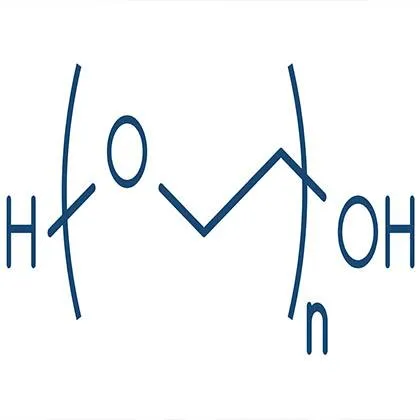
PEG stearates are formed by esterifying stearic acid (C18 saturated fatty acid, from vegetable or animal fats) with polyethylene glycol. The number in the INCI name — 20, 40, 100, 1500, 2000 — indicates the approximate molecular weight or average EO units of the PEG chain. Monostearate has one stearic acid chain; distearate has two, making it more lipophilic.
PEG stearates are non-ionic, tolerate a wide pH range, and work well with electrolytes when formulated correctly. PEG-100 stearate is frequently paired with glyceryl stearate — the classic self-emulsifying wax system for O/W creams.
PEG stearate comparison table
| INCI name | PEG chain | Ester type | HLB (approx.) | Physical form | Primary role |
|---|---|---|---|---|---|
| PEG-20 STEARATE | ~20 EO | Mono | ~11 | Semi-solid | O/W emulsifier, surfactant |
| PEG-40 STEARATE | ~40 EO | Mono | ~13 | Waxy solid | Emulsifier, solubilizer |
| PEG-100 STEARATE | ~100 EO | Mono | ~18.8 | Waxy flakes | Primary O/W emulsifier |
| PEG-1500 MONOSTEARATE | ~1500 MW | Mono | High | Waxy solid | Emulsifier, stabilizer |
| PEG-400 DISTEARATE | ~400 MW | Di | ~8–10 | Semi-solid | Thickener, co-emulsifier |
| PEG-2000 DISTEARATE | ~2000 MW | Di | Moderate | Waxy flakes | Shampoo thickener, anti-static |
PEG-100 STEARATE
PEG-100 stearate is one of the most widely used cosmetic emulsifiers worldwide. Its high HLB (~18.8) makes it strongly hydrophilic — ideal for stabilizing oil droplets in water-continuous emulsions. Key functions include:
- Primary O/W emulsifier in creams and lotions
- Surfactant and cleansing agent in facial cleansers
- Solubilizer for perfumes and lipophilic actives
- Viscosity builder when used at higher concentrations
Industry practice pairs PEG-100 stearate with glyceryl stearate (low HLB) in approximately equal proportions to create a self-emulsifying base that forms stable emulsions across a broad pH range and tolerates salts and acidic actives.
PEG-40 and PEG-20 stearate
PEG-40 stearate sits between PEG-20 and PEG-100 in hydrophilicity. It emulsifies and solubilizes in lighter lotions and cleansing systems where a less waxy sensory profile is desired. PEG-20 stearate is more lipophilic and often serves as a co-emulsifier or dispersant rather than the sole O/W emulsifier in high-oil creams.
PEG-1500 monostearate and PEG distearates
PEG-1500 monostearate uses a longer PEG backbone, contributing emulsification with higher melt point and body. PEG-400 distearate and PEG-2000 distearate are diesters — two stearic chains make them more oil-loving. PEG-2000 distearate is especially common in shampoos, conditioners, and shower gels as a thickener and anti-static agent, where it builds viscosity and improves combability without dominating the emulsifier system.
Formulation example: O/W face cream with PEG-100 stearate
| Component | % w/w | Function |
|---|---|---|
| Glyceryl stearate | 2.0 | Low-HLB co-emulsifier |
| PEG-100 stearate | 2.0 | High-HLB emulsifier |
| Squalane + shea butter | 12.0 | Oil phase |
| Glycerin | 5.0 | Humectant |
| Niacinamide (optional) | 5.0 | Active — water phase |
| Preservative, water | q.s. | — |
The glyceryl stearate / PEG-100 stearate pair brackets HLB for typical cosmetic oil phases (~10–12 required HLB). Heat both phases to 75°C, emulsify under homogenization, cool to 40°C before adding heat-sensitive actives.
Shampoo thickening with PEG-2000 distearate
PEG-2000 distearate at 0.5–2.0% builds viscosity in sulfate-free and conventional shampoo bases. It works alongside sodium lauroyl sarcosinate or SLES systems. Typical use: add to the batch below 60°C with gentle stirring to avoid over-thickening. PEG-400 distearate offers similar thickening at lower melt point for lighter body washes.
Safety and INCI compliance
PEG compounds are reviewed by the CIR Expert Panel. PEG stearates are listed in EU CosIng as surfactant-emulsifying agents. Ethoxylated PEG derivatives should meet customer limits for 1,4-dioxane. Venus provides COA with relevant impurity specifications on request.
Venus supply
PEG stearates and related fatty acid ethoxylates are part of the Venus esters chemistries and personal care portfolio. See the cosmetic emulsifiers hub and PEG laurate & oleate guide for related INCI grades.
Request samples via contact Venus Ethoxyethers.
Designing with PEG stearates: beyond single-grade selection
PEG stearate performance depends on the full emulsifier network, not only on one INCI line item. In most successful creams, formulators combine a hydrophilic monostearate (such as PEG-100 stearate) with a lower-HLB partner and a structuring fatty alcohol. This creates durable droplet stabilization plus acceptable texture over temperature cycling.
Diesters such as PEG-400 distearate and PEG-2000 distearate are often used for texture management and viscosity building rather than primary interface control. Venus Ethoxyethers supports this system-level approach with comparative guidance across stearate, laurate, and alcohol-ethoxylate options.
Selection guide by formulation target
| Target outcome | Primary PEG stearate choice | Supporting ingredient | Why |
|---|---|---|---|
| Stable O/W facial cream | PEG-100 STEARATE | Glyceryl stearate + fatty alcohol | Strong hydrophilic emulsification plus structure |
| Lighter lotion texture | PEG-40 STEARATE | Low wax structurant | Lower waxy feel with good dispersion |
| Co-emulsification in oil-rich phase | PEG-20 STEARATE | Higher-HLB partner | Balanced lipophilic support |
| Shampoo thickening | PEG-2000 DISTEARATE | Surfactant base salt curve tuning | Viscosity and appearance enhancement |
| Body wash pearlized body | PEG-400 DISTEARATE | Pearlizer and mild surfactant blend | Texture build with manageable melt profile |
Worked formulation example: premium body lotion platform
| Phase | Raw material | % w/w | Function |
|---|---|---|---|
| A | Emollient oil blend | 12.0 | Oil phase |
| A | PEG-100 STEARATE | 2.2 | Primary O/W emulsifier |
| A | Glyceryl stearate | 1.8 | Low-HLB partner |
| A | Cetearyl alcohol | 1.5 | Bodying agent |
| B | Water | q.s. to 100 | Aqueous phase |
| B | Glycerin | 4.0 | Humectant |
| C | Active, preservative, fragrance | as required | Performance package |
Process recommendation: heat both phases to 75°C, emulsify under controlled shear, and cool with sweep agitation. This template typically gives stable viscosity development over 24 hours. If viscosity is high, reduce fatty alcohol before lowering emulsifier pair ratio.
Worked formulation example: sulfate-free shampoo thickening
| Component | % w/w | Role |
|---|---|---|
| Mild surfactant blend (actives basis) | 10–14 | Cleansing |
| PEG-2000 DISTEARATE | 0.8–1.8 | Viscosity builder and anti-static support |
| Amphoteric co-surfactant | 2–5 | Foam and mildness support |
| Conditioning additive | 0.2–1.0 | After-feel management |
| pH adjuster and preservative | as required | System control |
Add PEG-2000 distearate after full surfactant hydration and moderate heating, then cool gradually to avoid instability. Evaluate viscosity after 24 hours; immediate post-batch readings can be misleading in distearate systems.
Regulatory and quality notes
For PEG stearates, quality control should include acid value, hydroxyl value, saponification profile, moisture, color, and melting behavior where relevant. Export customers frequently request declarations for residual ethylene oxide and 1,4-dioxane associated with ethoxylated materials.
INCI alignment is also essential when using similar names (for example, PEG-40 stearate vs other PEG stearate chain lengths). Regulatory teams should verify exact label text against supplier documentation to avoid artwork or registration delays.
Common mistakes and corrective actions
- Using PEG-20 as sole O/W emulsifier in high-oil cream: add high-HLB partner such as PEG-100 stearate.
- Over-waxy after-feel: reduce structurant or switch part of system to PEG-40 stearate.
- Shampoo over-thickening: lower PEG-2000 distearate and retune salt curve.
- Poor freeze-thaw performance: improve emulsifier balance and droplet size control during homogenization.
Quality-by-design checkpoints for PEG stearate projects
- Set droplet-size target: measure at T0 and after accelerated storage.
- Track rheology curve: one-point viscosity may hide shear-thinning shifts.
- Control cooling profile: crystal network development is process-sensitive.
- Document impurity controls: align declarations to customer standards for ethoxylated materials.
Applying these controls early improves reproducibility and reduces surprise failures when formulas move from benchtop to full manufacturing scale.
Program management tip
For organizations developing multiple creams in parallel, defining one validated PEG stearate platform and then adjusting oil phase and actives is often faster than building each product from scratch. This platform approach lowers technical risk and simplifies training for manufacturing teams.
Ester hydrolysis, acid value, and HLB drift on the shelf
PEG stearates are esters, not ethers. Unlike Ceteareth-20, which is an ether of a fatty alcohol and is hydrolytically stable across typical cosmetic pH, a PEG monostearate can slowly hydrolyse to free stearic acid and PEG in hot, alkaline, or high-water-activity systems. Rising acid value on stability pulls HLB down, coarsens droplets, and can seed stearic-acid crystals that feel waxy on rub-in. Keep O/W creams near pH 5.5–7.0 when PEG-100 stearate is the primary emulsifier, and avoid long holds above 80°C after the water phase is combined.
Incoming QC should freeze acid value, saponification value, and melting range together. A high acid value on a new lot is not a colour issue — it is a hydrolysis head-start that will shorten the freeze-thaw life of a qualified cream. PEG-2000 distearate in shampoos is less sensitive to mild acidity but will over-build viscosity if the salt curve is already near the peak; add it after surfactant hydration and judge viscosity only after 24 hours, not at drop.
Troubleshooting PEG stearate creams and washes
| Symptom | Likely cause | Direction |
|---|---|---|
| Cream grains after 45°C/1-month; acid value up | Ester hydrolysis releasing stearic acid | Lower pH into 5.5–6.5; cut post-emulsify heat hold; check incoming acid value |
| Lotion thins after niacinamide or AHA addition | Electrolyte and pH shifted required HLB | Keep PEG-100 / glyceryl stearate pair; add 0.3–0.5% fatty alcohol |
| Shampoo sets to a gel in the drum | PEG-2000 distearate over-dosed vs salt | Cut distearate 0.3%; retune NaCl after 24 h |
| Oil slick after centrifuge | PEG-20 used as sole O/W emulsifier | Replace part with PEG-100 stearate; confirm oil-phase required HLB |
| Waxy after-feel on light lotion | PEG-100 plus high cetearyl load | Shift primary to PEG-40 stearate; reduce wax 0.5–1.0% |
Treat PEG stearate as a chemically reactive emulsifier in the QC plan: trend acid value of retained samples at 40°C, not only droplet size at T0. That single extra assay catches hydrolysis before customers see grain or serum.
Venus Ethoxyethers cross-links
For adjacent options, review PEG laurate and oleate guide, Ceteareth/Ceteth guide, cosmetic emulsifiers hub, and esters chemistries. Product teams can request comparative sample plans via Venus Ethoxyethers contact.