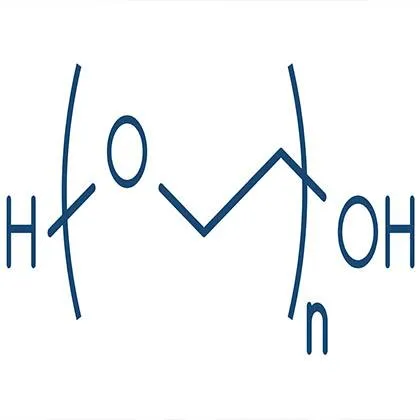
PEG & glycols
PEG Laurate & Oleate Emulsifiers: Mono vs Di Ester Guide
PEG laurates and PEG oleates are polyethylene glycol esters of lauric acid (C12) or oleic acid (C18 unsaturated). Monolaurate and monooleate grades act as O/W emulsifiers and dispersants; dilaurate and dioleate grades are more lipophilic co-emulsifiers and lubricants. This guide covers PEG-200 and PEG-400 mono- and di-esters used in cosmetics, personal care, and industrial emulsions — with Venus manufacturing from India.
On this page
- PEG fatty acid ester chemistry
- Complete grade comparison
- Mono- vs di-esters — selection logic
- PEG-200 vs PEG-400 chain length
- Application mapping
- Relation to fatty acid ethoxylates
- Environmental profile
- Venus supply
- Formulation strategy beyond mono vs di
- Required HLB mapping for common oil phases
- Worked example: O/W hand cream with dual ester system
- Rinse-off cleanser application notes
- INCI and specification considerations
- Choosing laurate versus oleate for sensory outcome
- Scale-up and troubleshooting checklist
- Commercial qualification workflow
- Cost-performance optimization note
- COA and spec tips for PEG laurate and oleate esters
- Worked example: replacing a stearate-heavy lotion emulsifier
- Ester hydrolysis and emulsion troubleshooting
- Venus Ethoxyethers product navigation
PEG fatty acid ester chemistry
PEG laurates and oleates are made by esterifying a fatty acid with polyethylene glycol. The PEG number (200, 400) reflects approximate molecular weight of the glycol chain. Mono- esters attach one fatty acid chain; di- esters attach two, doubling the lipophilic character.
Lauric acid (C12) gives shorter, more fluid esters with faster spreading. Oleic acid (C18, unsaturated) gives softer, more emollient esters suited to skin care and premium emulsions.
Complete grade comparison
| INCI name | PEG MW | Acid | Ester type | HLB trend | Primary role |
|---|---|---|---|---|---|
| PEG-200 MONOLAURATE | ~200 | Lauric | Mono | Mid-high | Fluid emulsifier, dispersant |
| PEG-200 DILAURATE | ~200 | Lauric | Di | Lower | Lipophilic emulsifier, spreading agent |
| PEG-400 MONOLAURATE | ~400 | Lauric | Mono | Mid-high | O/W emulsifier, emollient |
| PEG-400 DILAURATE | ~400 | Lauric | Di | Mid | Co-emulsifier, lubricant |
| PEG-400 MONOOLEATE | ~400 | Oleic | Mono | Mid | Emulsifier, emollient |
| PEG-400 DIOLEATE | ~400 | Oleic | Di | Lower | Lipophilic emulsifier, W/O support |
Mono- vs di-esters — selection logic
Monolaurate / monooleate: One fatty chain leaves a free hydroxyl on the PEG end, keeping the molecule more hydrophilic. These grades emulsify oil into water (O/W), disperse pigments, and act as biodegradable surfactants in facial cleansers, sun care, and light lotions.
Dilaurate / dioleate: Two fatty chains increase oil compatibility and reduce foaming. PEG-200 dilaurate is a fluid, low-foam emulsifier for oil-heavy or premium emulsion systems. PEG-400 dilaurate improves oil-phase compatibility and stability in bath additives and hand care. PEG-400 dioleate offers enhanced lipophilicity for oil-rich or W/O-supporting formulations.
PEG-200 vs PEG-400 chain length
PEG-200 esters are lower molecular weight — more fluid, faster spreading, lower viscosity in finished products. Ideal for serums, light lotions, and systems needing rapid oil dispersion. PEG-400 esters are slightly more viscous with stronger emulsifying and moisturizing character — common in body lotions, pharmaceutical ointments, and cosmetic creams.
Application mapping
| Application | Suggested grade |
|---|---|
| Light facial serum emulsifier | PEG-200 monolaurate |
| Body lotion O/W emulsifier | PEG-400 monolaurate |
| Low-foam oil emulsion | PEG-200 dilaurate |
| After-sun / hand care | PEG-400 dilaurate |
| Emollient cream with oleic feel | PEG-400 monooleate |
| Oil-rich co-emulsifier | PEG-400 dioleate |
Relation to fatty acid ethoxylates
PEG monolaurate (CAS 9004-81-3) is chemically related to ethoxylated lauric acid products in the fatty acid ethoxylates range. Venus manufactures lauric, oleic, and stearic acid-derived surfactants for personal care and industrial use. PEG stearate grades are covered in the separate PEG stearate guide.
Environmental profile
PEG laurates and oleates with plant-derived fatty acids are biodegradable under aerobic conditions. They are non-ionic and tolerate hard water better than many anionic surfactants. Cosmetic grades should meet customer limits for ethoxylated impurities.
Venus supply
Explore esters chemistries, personal care, and the cosmetic emulsifiers hub. Request samples via contact Venus Ethoxyethers.
Formulation strategy beyond mono vs di
In practice, PEG laurate and PEG oleate grades are selected using a three-variable approach: fatty chain character (lauric vs oleic), degree of esterification (mono vs di), and PEG chain size (200 vs 400). This allows formulators to tune not only emulsion stability but also foam profile, after-feel, and processing temperature window. Venus Ethoxyethers supports this selection logic with grade-specific technical data and blending guidance.
A common error is choosing only by label familiarity (for example, defaulting to PEG-400 monolaurate) without checking oil phase polarity and required HLB. For robust scale-up, evaluate centrifuge stability, freeze-thaw response, and viscosity drift over four to eight weeks before locking commercial ratios.
Required HLB mapping for common oil phases
| Oil phase type | Typical required HLB | Suggested emulsifier system | Comment |
|---|---|---|---|
| Light esters and silicone blend | 9–11 | PEG-200 monolaurate + low-HLB co-emulsifier | Fast spread, low residual film |
| Vegetable oils / triglycerides | 10–12 | PEG-400 monolaurate + PEG-400 monooleate | Balanced body and feel |
| High wax or butter phase | 11–13 | PEG-400 monolaurate + PEG stearate partner | Add structurant for long-term viscosity |
| Oil-rich balm-like emulsion | 7–10 | PEG-400 dioleate or PEG-200 dilaurate blend | Use as lipophilic support, not sole O/W emulsifier |
Worked example: O/W hand cream with dual ester system
| Phase | Material | % w/w | Role |
|---|---|---|---|
| A | Sunflower oil + CCT | 10.0 | Emollient phase |
| A | Cetyl alcohol | 1.5 | Bodying agent |
| A | PEG-400 MONOLAURATE | 2.0 | Primary emulsifier |
| A | PEG-400 MONOOLEATE | 1.0 | Sensory co-emulsifier |
| B | Deionized water | q.s. to 100 | Continuous phase |
| B | Glycerin | 4.0 | Humectant |
| C | Preservative + fragrance | as required | Protection/sensory |
Heat phases A and B to 75°C, emulsify under moderate shear, then cool with sweep mixing. This system typically delivers good rub-in and lower soapiness than high-load stearate-only systems. If drag is high, replace part of monolaurate with monooleate; if separation risk increases, re-balance with a high-HLB partner from PEG stearate grades.
Rinse-off cleanser application notes
PEG laurate monoesters are also used as mild co-surfactants in facial cleansing gels and micellar formats. At low inclusion levels, they assist make-up and sebum removal while keeping foam profile soft. Diesters can be useful in cleansing oils and low-foam systems where a more lipophilic profile is preferred.
For transparent cleanser products, check cloud point and low-temperature clarity early. Oleate-rich systems can improve emolliency but may require stronger hydrophilic partners to maintain visual clarity over shelf life.
INCI and specification considerations
Each commercial grade should be matched to the exact INCI declaration and typical quality metrics: ester value, acid value, hydroxyl value, moisture, and color. For export-focused brands, establish acceptance limits for residual ethoxylated impurities and ensure alignment with customer-specific documentation templates.
From a quality-by-design perspective, mono/di ratio consistency is often more important than nominal name alone. Procurement teams should request batch-to-batch data and define control ranges with suppliers such as Venus Ethoxyethers before long production campaigns.
Choosing laurate versus oleate for sensory outcome
| Desired sensory profile | Prefer laurate-rich | Prefer oleate-rich |
|---|---|---|
| Quick break, lighter finish | Yes | Sometimes |
| Richer glide and conditioning | Limited | Yes |
| Transparent low-viscosity system | Often easier | Needs optimization |
| Oil-rich balm support | With diester blend | Strong option with dioleate |
Scale-up and troubleshooting checklist
- Phase inversion risk: verify order of addition and shear intensity when changing reactor size.
- Viscosity drift: review wax content and mono/di balance after thermal cycling.
- Low-temperature haze: increase hydrophilic partner ratio or optimize fragrance load.
- Foam mismatch in cleansers: tune with amphoteric surfactant rather than overloading ester emulsifier.
Commercial qualification workflow
Before locking a commercial grade, run a structured comparison on at least three lots: baseline emulsion stability, viscosity trend, and sensory panel score after four weeks at ambient and elevated conditions. This helps ensure the selected PEG ester behaves consistently through seasonal and supply-batch variation.
- Step 1: match INCI and mono/di profile to claim and process target.
- Step 2: benchmark against incumbent emulsifier in identical formula.
- Step 3: confirm documentation package for customer audits.
Cost-performance optimization note
In many commercialization projects, the best total-cost formula is not the lowest-cost raw material option. A slightly higher-cost monoester can reduce reject rates, processing time, and complaint risk when clarity or sensory is critical. Include manufacturing yield and rework reduction in your economic comparison, especially for high-volume lotion or cleanser programs. This broader view often changes grade selection decisions. Procurement, production, and QA teams should evaluate the ingredient as a system-performance lever, not a commodity-only input. For export-oriented brands, this can also reduce compliance risk and speed up customer approval timelines. It often improves first-pass success during customer pilot approvals and lowers rework during commercial validation lots. It also helps teams achieve faster stable scale-up decisions.
COA and spec tips for PEG laurate and oleate esters
Lock the incoming specification to the ester chemistry, not only the INCI name. A useful COA lists acid value, saponification or ester value, hydroxyl value (which tracks residual PEG and the mono/di ratio), water, colour (Gardner or APHA), and appearance at 25°C. Acid value creep on aged drums signals hydrolysis; hydroxyl value drift versus the qualification lot often means the monoester/diester balance has moved and will change required HLB. For export cosmetics, add residual ethylene oxide and 1,4-dioxane where the customer RSL requires them. Freeze the titration methods (solvent, indicator, and sample mass) so a later lot cannot pass on a different recipe. Venus Ethoxyethers has more than 30 years of ester and ethoxylate manufacturing in India and the United States and supplies 1,600+ products with lot COA and SDS for personal-care qualification.
Worked example: replacing a stearate-heavy lotion emulsifier
A body lotion that feels soapy after rub-in often carries 4–5% PEG-100 stearate plus glyceryl stearate. A screening alternative is 2.0% PEG-400 monolaurate, 1.0% PEG-400 monooleate, and 1.5% cetyl alcohol, keeping the same 10–12% triglyceride oil phase. Emulsify at 75°C, cool with sweep mixing, and compare centrifuge stability (3,000 rpm, 30 min) plus four-week viscosity at 5°C, 25°C, and 45°C. If the new system is thinner, raise cetyl alcohol 0.3–0.5% rather than dumping more monoester, which can increase soapiness. If freeze–thaw throws oil, add a small high-HLB PEG stearate partner instead of abandoning the laurate/oleate pair.
Ester hydrolysis and emulsion troubleshooting
| Symptom | Likely cause | Direction |
|---|---|---|
| Acid value rises in the drum | Moisture plus heat; hydrolysis of the ester | Store cool and dry; nitrogen-blanket part-used drums; retest before use |
| Lotion soaps up on rub-in | Too much monolaurate or stearate soap feel | Shift part of the dose to PEG-400 monooleate |
| Clear cleanser clouds at 5°C | Oleate-rich ester plus fragrance | Raise hydrophilic partner; cut fragrance; check cloud point |
| Emulsion thins after 45°C storage | Mono/di ratio drift or weak fatty alcohol network | Recheck hydroxyl value; add 0.3% cetyl or stearyl alcohol |
| W/O balm oils out | Diester used as the only emulsifier | Keep dioleate as lipophilic support; add a true W/O emulsifier |
Venus Ethoxyethers product navigation
For adjacent chemistries, see cosmetic emulsifiers hub, Laureth and Oleth guide, esters chemistries, and personal care chemicals. Commercial teams can request comparative recommendations and sample plans through contact Venus Ethoxyethers.