PEG & glycols
PEG-6 Methyl Ether: Cosmetic Solvent & Humectant Guide
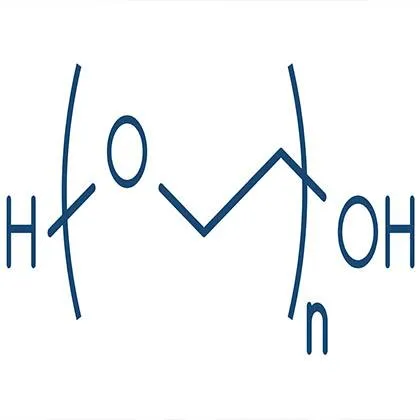
PEG-6 methyl ether is a methoxypolyethylene glycol (mPEG) — polyethylene glycol capped with a methyl group rather than a hydroxyl. With approximately six ethylene oxide units, it functions as a solvent, humectant, viscosity modifier, and carrier for active ingredients in personal care and cosmetic formulations. Venus Ethoxyethers includes PEG-6 methyl ether in its personal care dispersing and solvent portfolio.
On this page
- What is PEG-6 methyl ether?
- Key properties
- Functions in cosmetic formulations
- Applications
- PEG-6 methyl ether vs PEG 300 vs Glycereth-26
- Safety and regulatory notes
- Related Venus products
- How PEG-6 methyl ether behaves in real systems
- Use-level guidance by product type
- Worked formulation example: lightweight niacinamide gel serum
- Compatibility checklist for formulation teams
- INCI and regulatory handling notes
- When to choose PEG-6 methyl ether over alternatives
- Procurement and scale-transfer checklist
- Application-development perspective
- COA fields for cosmetic PEG-6 methyl ether
- Worked example: cutting glycerin tack in a carbomer serum
- Troubleshooting PEG-6 methyl ether systems
- Venus Ethoxyethers cross-link guide
What is PEG-6 methyl ether?
PEG-6 methyl ether belongs to the methoxypolyethylene glycol family. Standard PEG chains end with hydroxyl groups (-OH); mPEG chains are end-capped with a methyl ether (-OCH3), which changes solubility, volatility, and interaction with other formulation ingredients.
The "6" indicates approximately six ethylene oxide repeat units, corresponding to a relatively low molecular weight, liquid-grade glycol ether. INCI name: PEG-6 METHYL ETHER. It is chemically distinct from fatty alcohol ethoxylates (Laureth, Ceteareth) and from PEG fatty acid esters.
Key properties
| Property | Typical characteristic |
|---|---|
| Physical form | Clear liquid at room temperature |
| Solubility | Water-miscible; soluble in many polar solvents |
| End group | Methyl ether (monofunctional) |
| Odour | Low, suitable for cosmetic use |
| Reactivity | Lower reactivity than dihydroxy PEG — no terminal OH for esterification |
Functions in cosmetic formulations
Solvent and carrier: PEG-6 methyl ether dissolves and carries water-soluble and some polar organic ingredients, improving uniformity of serums, gels, and aqueous-alcoholic products.
Humectant: Like other low-MW glycols, it binds water and helps maintain product moisture during storage and on skin.
Viscosity modifier: Adjusts flow properties in gels and liquid formulations without the waxiness of high-MW PEG.
Penetration enhancement: Low-MW PEG derivatives can modestly influence delivery of actives depending on system design — particularly in topical gels and aqueous serums.
Dispersing aid: Listed among Venus personal care dispersing agents alongside polysorbates and hydrogenated castor oil ethoxylates.
Applications
- Aqueous serums and facial gels
- Hair styling and conditioning sprays (as solvent/carrier)
- Makeup removers and micellar systems (supporting solvent)
- Fragrance and active delivery in water-based products
- Industrial personal care bases requiring low-viscosity glycol solvent
PEG-6 methyl ether vs PEG 300 vs Glycereth-26
| Ingredient | End groups | Typical role |
|---|---|---|
| PEG-6 methyl ether | Methyl-capped (monofunctional) | Solvent, carrier, low-viscosity humectant |
| PEG 300 (dihydroxy PEG) | Two OH groups | Humectant, reactive diol for esters |
| Glycereth-26 | Glycerin-based, ~26 EO | Humectant, emollient, lubricant |
The methyl cap prevents PEG-6 methyl ether from participating in esterification or cross-linking reactions that dihydroxy PEGs undergo. Choose it when you need a non-reactive, liquid glycol solvent rather than an emulsifier.
Safety and regulatory notes
Low molecular weight polyethylene glycols are generally recognized with low oral toxicity. PEG compounds should meet cosmetic purity specifications. As with all PEG derivatives, trace ethoxylated impurities (ethylene oxide, 1,4-dioxane) should be controlled by the manufacturer. PEG-6 methyl ether is listed in Venus personal care keyword portfolios for dispersing and solvent applications.
Related Venus products
Explore polyethylene glycols (PEG 200–20000), PEG 200 vs 400 vs 600, Glycereth-26 guide, and personal care chemicals. Full INCI emulsifier context: cosmetic emulsifiers hub.
Request samples via contact Venus Ethoxyethers.
How PEG-6 methyl ether behaves in real systems
In lab practice, PEG-6 methyl ether is selected when formulators need a non-reactive, low-viscosity polar carrier that does not significantly increase stickiness. Compared with glycerin-heavy systems, it can reduce drag during rub-in and improve fast break on skin. Compared with short-chain alcohol solvents, it offers better skin comfort and lower volatility, which supports fragrance and active retention in leave-on products.
Its methyl end-cap also matters for robustness in multi-step manufacturing. Because the terminal hydroxyl functionality is blocked, the ingredient is less likely to participate in side reactions with acid chlorides, isocyanates, or reactive esters that may be present in specialty personal care intermediates. This is useful for contract manufacturers handling broad product portfolios in shared vessels.
Use-level guidance by product type
| Product category | Typical use level | Primary objective | Notes |
|---|---|---|---|
| Hydrating serum | 1.0–4.0% | Co-humectant and carrier | Pair with glycerin or betaine to balance tack |
| Water gel moisturizer | 2.0–6.0% | Slip and solvent support | Can improve polymer wetting in carbomer gels |
| Mist / spray toner | 0.5–2.0% | Fragrance and active pre-solubilization | Check spray pattern and clarity at 5°C |
| Hair leave-in spray | 1.0–3.0% | Moisture retention and combing feel | Works with cationic conditioning polymers |
| Micellar cleansing water | 0.5–2.5% | Co-solvent for mild cleansing package | Use with primary nonionic/amphoteric surfactant |
Worked formulation example: lightweight niacinamide gel serum
| Phase | Component | % w/w | Function |
|---|---|---|---|
| A | Deionized water | q.s. to 100 | Continuous phase |
| A | Niacinamide | 4.0 | Active |
| A | Glycerin | 3.0 | Primary humectant |
| A | PEG-6 METHYL ETHER | 3.0 | Co-humectant, solvent, sensory modifier |
| A | Disodium EDTA | 0.05 | Chelation |
| B | Carbomer | 0.25 | Rheology |
| C | Neutralizer (AMP/NaOH) | q.s. | pH 5.6–6.0 |
| D | Preservative | as required | Micro protection |
Process: disperse carbomer in water, dissolve niacinamide and humectants, then adjust pH and add preservative below 40°C. PEG-6 methyl ether helps maintain elegant flow without requiring high solvent loading. For export launches, keep a freeze-thaw and centrifuge protocol in your stability matrix.
Compatibility checklist for formulation teams
- With anionic surfactants: Generally compatible in rinse-off systems, but optimize foam profile and cloud point.
- With cationic polymers: Usually compatible at low levels; confirm viscosity and deposition in hair products.
- With high electrolyte loads: Better tolerated than many high-HLB solubilizers, but verify clarity in concentrated salt systems.
- With ethanol: Useful co-solvent in clear mists; tune alcohol level to avoid over-drying skin.
- With botanical extracts: Helps disperse polar extracts; screen for color drift in accelerated aging.
INCI and regulatory handling notes
For cosmetic dossiers, list the material as PEG-6 METHYL ETHER and align the product specification with your market's impurity requirements. In EU and US market practice, customers typically request confirmation of controlled ethylene oxide and 1,4-dioxane residues for ethoxylated materials. Procurement teams should request an updated COA and, where needed, a declaration on residuals and process controls.
Claims teams should also avoid over-positioning PEG-6 methyl ether as a stand-alone emulsifier. Its strongest role is as a solvent/humectant/carrier in a broader system. For clear communication to brand customers, position it as an efficiency ingredient that helps simplify phase design and improve sensory balance in water-based products.
When to choose PEG-6 methyl ether over alternatives
| If your challenge is... | Preferred option | Why |
|---|---|---|
| High tack from glycerin-heavy base | Blend with PEG-6 methyl ether | Reduces stick feel while preserving hydration support |
| Need reactive diol chemistry | PEG 300 / PEG 400 | Dihydroxy PEGs are better for reactive derivative routes |
| Need primary O/W emulsification | Ceteareth or PEG stearate | PEG-6 methyl ether is not a primary emulsion builder |
| Clear active carrier in watery serum | PEG-6 methyl ether | Low viscosity and broad aqueous compatibility |
Procurement and scale-transfer checklist
- Confirm purity window: align COA limits with your internal cosmetic standard before first PO.
- Run pilot at production shear: low-viscosity carriers can behave differently between lab and plant mixers.
- Validate pack compatibility: test PET, HDPE, and pump components for long-term stability.
- Track evaporation profile: in hydroalcoholic systems, optimize closure and filling temperature.
During tech transfer, include PEG-6 methyl ether concentration as a monitored critical process parameter if the product relies on clarity or fast-break sensory. Even small variance in co-solvent ratio can shift final feel in light serums and sprays.
Application-development perspective
For B2B suppliers and private-label teams, PEG-6 methyl ether can be a useful standard component in base concentrates that are later customized with actives or fragrances for different customers. A stable base built around this carrier often simplifies line extensions because viscosity and clarity remain predictable when modest add-on packages are introduced. It also supports faster project turnaround when multiple SKU variants share one technical platform, reducing reformulation effort and validation time. This is particularly useful in fast-moving private label programs.
COA fields for cosmetic PEG-6 methyl ether
Incoming lots should list hydroxyl value or average EO, water, colour (APHA), pH of a 1% or 5% solution, residual ethylene oxide, 1,4-dioxane, and appearance. Because the methyl cap makes the molecule monofunctional, hydroxyl value is lower than a dihydroxy PEG of similar chain length — do not reject a lot by comparing it to a PEG 300 hydroxyl specification. Freeze the residual-EO and dioxane methods against the qualification drum. Venus Ethoxyethers has manufactured personal-care solvents and ethoxylates for more than 30 years from India and the United States, with 1,600+ products and lot COA for export cosmetic dossiers.
Worked example: cutting glycerin tack in a carbomer serum
A 6% glycerin / 0.30% carbomer gel that feels sticky after dry-down can replace 3% of the glycerin with 3% PEG-6 methyl ether, keeping niacinamide and chelator unchanged. Disperse carbomer first, add the glycol blend, then neutralize to pH 5.6–6.0. Compare spread, residual tack at 10 minutes, and freeze–thaw clarity. If the gel thins more than 15% versus the glycerin-only control, raise carbomer 0.02–0.05% rather than removing the methyl ether. If a hydroalcoholic mist version hazes at 5°C, lower ethanol 2–3% or pre-blend fragrance in the PEG-6 methyl ether before the water phase.
Troubleshooting PEG-6 methyl ether systems
| Symptom | Likely cause | Direction |
|---|---|---|
| Carbomer gel fails to build viscosity | Electrolyte or poor polymer wetting | Pre-wet carbomer; add methyl ether after hydration; check pH |
| Mist nozzles spit or jet | Viscosity too high or incomplete pre-solubilization | Cut use level toward 0.5–1.5%; pre-blend perfume in the glycol |
| Leave-on feels drying | Too much ethanol, not enough co-humectant | Pair with glycerin or betaine; do not raise methyl ether alone |
| COA hydroxyl value looks low versus PEG 300 | Compared with dihydroxy PEG 300 spec | Use an mPEG-specific hydroxyl window; confirm methyl-cap identity |
| Colour drifts with botanical extract | Metal-catalyzed oxidation in the water phase | Keep EDTA; check peroxide in the extract; dark storage |
Venus Ethoxyethers cross-link guide
For complete formulation design, pair this grade with the Venus emulsifier and humectant resources: cosmetic emulsifiers INCI guide, PEG stearate emulsifiers, Glycereth and PEG lanolin guide, and humectants. Commercial and technical requests can be routed through Venus Ethoxyethers contact for sample support and documentation.