PEG & glycols
GLYCERETH-26, PEG-75 Lanolin & PEG-3 Glyceryl Cocoate Guide
Glycereth, PEG lanolin, and PEG glyceryl cocoate ingredients bridge humectancy, emolliency, and mild emulsification in personal care. Unlike fatty alcohol ethoxylates, glycereth-26 is derived from glycerin; PEG-75 lanolin is a water-soluble lanolin derivative; and PEG-3 glyceryl cocoate is a coconut-oil-based mild emulsifier. Venus Ethoxyethers supplies Glycereth-26 and related cosmetic alkoxylates for formulators worldwide.
On this page
- Overview of this ingredient family
- GLYCERETH-26
- PEG-75 LANOLIN
- PEG-3 GLYCERYL COCOATE
- Comparison table
- Formulation tips
- Specification and troubleshooting
- How to position this trio in portfolio design
- Decision matrix for rapid ingredient selection
- Worked example: hydrating toner-essence blend
- Rinse-off mildness architecture with PEG-3 glyceryl cocoate
- Regulatory and quality documentation points
- Compatibility and processing notes
- When to combine all three in one formula
- Scale-up and quality control points
- Brand-positioning note
- Hygroscopicity, residual dioxane, and lanolin fractions
- Venus Ethoxyethers cross-links
Overview of this ingredient family
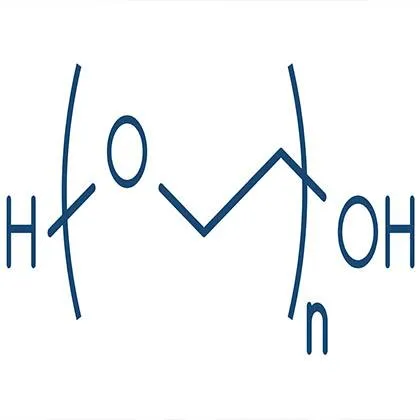
These three INCI names represent distinct chemistries united by ethoxylation technology:
- Glycereth-26 — PEG ether of glycerin (~26 EO units)
- PEG-75 lanolin — Lanolin wax ethoxylated with ~75 EO units
- PEG-3 glyceryl cocoate — Ethoxylated monoglyceride of coconut oil (~3 EO units)
All three appear in leave-on and rinse-off personal care products, but their formulation roles differ significantly.
GLYCERETH-26
| Property | Detail |
|---|---|
| INCI | GLYCERETH-26 |
| Chemistry | Polyethylene glycol ether of glycerin, ~26 EO average |
| HLB (approx.) | ~18.4 |
| Physical form | Clear to slightly hazy liquid |
| Functions | Humectant, emollient, solvent, viscosity controller, lubricant |
Glycereth-26 is a glycerin-based humectant that draws moisture from the air and delivers a smooth, luxurious skin feel without greasiness. Unlike fatty alcohol ethoxylates, it is water-soluble and plant/glycerin-derived in many supply chains. Key applications:
- Skin care: Moisturizers, serums, sun creams — humectancy and lubricity
- Hair care: Shampoos, conditioners — sheen additive and conditioning
- Formulation aid: Solubilizer, dispersant, foam modifier, thickener
Typical use levels: up to ~6% in leave-on products and higher in rinse-off systems. Glycereth-26 is considered safe with no major EU CosIng restrictions. Venus lists Glycereth-7 and Glycereth-26 on the co-surfactants page.
PEG-75 LANOLIN
| Property | Detail |
|---|---|
| INCI | PEG-75 LANOLIN |
| Chemistry | Polyethylene glycol derivative of lanolin, ~75 EO units |
| Functions | Emollient, emulsifier, solubilizer, cleansing agent |
| Key benefit | Water-soluble lanolin — moisturizing without heavy occlusive feel |
Lanolin (wool wax) is an excellent skin conditioner but raw lanolin can feel sticky and heavy. Ethoxylating lanolin with ~75 moles of ethylene oxide produces a water-soluble derivative that retains lipid-replenishing benefits while functioning as a surfactant-emulsifying and solubilizing agent.
PEG-75 lanolin appears in creams, lotions, hair conditioners, and cleansing products. CIR polyether lanolin reviews cover PEG-75 lanolin with reported leave-on use up to ~15% in some product categories. It solubilizes fragrances and lipophilic actives in aqueous systems similarly to polysorbates.
PEG-3 GLYCERYL COCOATE
| Property | Detail |
|---|---|
| INCI | PEG-3 GLYCERYL COCOATE |
| Chemistry | PEG ether of glyceryl cocoate (coconut oil monoglyceride), ~3 EO |
| Functions | Skin-conditioning emollient, mild emulsifying surfactant |
| Character | Low EO = lipophilic; coconut-derived; mild |
PEG-3 glyceryl cocoate is a mild, coconut-derived emulsifier and emollient suited to gentle cleansers, baby care, and sensitive-skin positioning. The low ethoxylation level (3 EO) keeps the molecule relatively lipophilic compared to Glycereth-26. CIR PEGylated alkyl glyceride reviews include PEG-3 glyceryl cocoate as safe when non-irritating.
It can stabilize light emulsions and contribute skin conditioning without the harshness of strong anionic surfactants. Often combined with amphoteric co-surfactants in sulfate-free cleansing systems.
Comparison table
| INCI | Source | EO level | Main role | Best in |
|---|---|---|---|---|
| Glycereth-26 | Glycerin | High (~26) | Humectant, lubricant | Moisturizers, hair sheen |
| PEG-75 lanolin | Lanolin | High (~75) | Emollient, solubilizer | Conditioners, lip care |
| PEG-3 glyceryl cocoate | Coconut oil | Low (~3) | Mild emulsifier | Baby wash, mild cleansers |
Formulation tips
Humectant serum with Glycereth-26: Combine 3–5% Glycereth-26 with glycerin and hyaluronic acid in the aqueous phase. Glycereth-26 improves spreadability and reduces tack compared to glycerin alone at high levels.
Conditioner with PEG-75 lanolin: Add 1–3% to cationic conditioner base for improved wet combability and lanolin-derived conditioning without insolubility.
Mild body wash with PEG-3 glyceryl cocoate: Use 1–2% alongside cocamidopropyl betaine as a co-emulsifier for skin oils and fragrance.
Specification and troubleshooting
Lock hydroxyl value or average EO, colour, odour, water, and residual EO / 1,4-dioxane on glycereth and PEG-lanolin grades used in leave-on skin care. PEG-75 lanolin can haze in cold water if under-dosed or if the perfume oil is too resinous — pre-blend with the oil, then dilute. Glycereth-26 is a humectant, not a primary emulsifier: if a serum splits, add a true high-HLB emulsifier rather than more glycereth.
| Issue | Likely cause | Fix |
|---|---|---|
| Sticky after-feel | Glycereth too high | Cut to 1–3%; balance with lighter PEG 400 |
| Lanolin odour in a cream | Grade colour/odour spec | Tighter cosmetic spec; lower use level |
| Body wash thins | Co-emulsifier disrupting salt curve | Add after the SLES/CAPB chassis; remap salt |
How to position this trio in portfolio design
Glycereth-26, PEG-75 lanolin, and PEG-3 glyceryl cocoate are often grouped together because they bridge hydration, conditioning, and mild emulsification. However, they are not interchangeable. Advanced formulation work treats them as a modular toolkit: Glycereth-26 for moisture and glide, PEG-75 lanolin for rich conditioning and solubilization, and PEG-3 glyceryl cocoate for mild co-surfactant behavior in sensitive cleansing systems.
When brand teams need “comfort without heaviness,” the most effective approach is usually to use low-to-moderate levels of two materials rather than overloading one. Venus Ethoxyethers supports this strategy through guidance on ratio optimization and compatibility with broader nonionic systems.
Decision matrix for rapid ingredient selection
| Formulation objective | Best starting choice | Typical level | Reason |
|---|---|---|---|
| Reduce tack in humectant serum | Glycereth-26 | 2–6% | Hydration with smoother glide than glycerin-only base |
| Add lanolin-type conditioning in lotion | PEG-75 lanolin | 0.5–3% | Water-compatible lipid conditioning |
| Mild surfactant support in baby wash | PEG-3 glyceryl cocoate | 0.5–2% | Gentle co-emulsifying and skin feel improvement |
| Fragrance support in aqueous base | PEG-75 lanolin + helper | 1–4% | Solubilization with conditioning benefit |
Worked example: hydrating toner-essence blend
| Component | % w/w | Function |
|---|---|---|
| Water | q.s. to 100 | Base |
| Glycerin | 3.0 | Primary humectant |
| GLYCERETH-26 | 4.0 | Co-humectant, sensory softening |
| Panthenol | 1.0 | Conditioning active |
| PEG-75 LANOLIN | 1.0 | Conditioning and fragrance support |
| Preservative | as required | Micro protection |
This structure can deliver a richer feel than glycerin-only toners while preserving sprayable or pourable viscosity. If stickiness remains high, lower glycerin first before reducing Glycereth-26. If clarity drops, tune fragrance polarity or use a compatible high-HLB partner from Laureth/Oleth grades.
Rinse-off mildness architecture with PEG-3 glyceryl cocoate
In sulfate-free cleansing bases, PEG-3 glyceryl cocoate is frequently used as a support surfactant to improve skin after-feel and reduce harshness perception. It performs best in combination with amphoterics and glucosides rather than as a stand-alone cleansing primary. Typical outcomes include softer foam and reduced squeak after rinse.
For baby or sensitive-skin positioning, teams should validate mildness claims with suitable in vitro and in-use protocols. Ingredient choice is only one part of claim substantiation; total surfactant system design and preservative profile are equally important.
Regulatory and quality documentation points
All three ingredients require accurate INCI declaration and clear supplier specifications. For PEG and ethoxylated derivatives, regulatory files commonly include declarations on residual process impurities and manufacturing controls. For PEG-75 lanolin specifically, teams should align source and allergen communication with brand requirements and target market expectations.
Commercial teams should also request data on color, odor, moisture, acid value, and performance consistency in accelerated stability. This reduces reformulation risk during scale transfer or supplier changeover.
Compatibility and processing notes
- Glycereth-26: highly water-compatible; add in water phase early for uniformity.
- PEG-75 lanolin: may require warming for faster incorporation in high-viscosity systems.
- PEG-3 glyceryl cocoate: often added to surfactant phase in cleansers; monitor foam and viscosity together.
- Fragrance-heavy systems: evaluate haze at low temperature and after centrifuge.
When to combine all three in one formula
A combined system can be useful in premium body wash or shower cream formats where moisturization, mild cleansing, and creamy sensory are all priorities. A typical strategy is low Glycereth-26 for humectancy, PEG-3 glyceryl cocoate for gentle surfactant support, and trace PEG-75 lanolin for conditioning lift. Overuse can suppress foam or increase residue, so optimization is essential.
Scale-up and quality control points
- Order of addition: add highly water-soluble materials early to prevent localized viscosity spikes.
- Fragrance compatibility: screen fragrance variants because PEG-75 lanolin systems can respond differently by perfume type.
- Mildness consistency: in rinse-off products, verify foam and skin-feel impact lot-to-lot.
- Claim support: align hydration and comfort claims with finished-product testing data.
These practical controls help maintain performance consistency when moving from lab concept to repeatable commercial batches across multiple SKUs.
Brand-positioning note
When building premium yet mild product stories, this trio lets formulators communicate functional differentiation: hydration from glycereth chemistry, lanolin-derived conditioning in a water-compatible format, and gentle cleansing support from coconut-derived PEG-3 glyceryl cocoate. The combination can improve both performance and marketing clarity.
Hygroscopicity, residual dioxane, and lanolin fractions
Glycereth-26 is strongly hygroscopic. In humid packing rooms it can pick up water and shift assay and viscosity; in very dry climates a high-glycereth serum can feel less cushioned because there is less ambient moisture to bind. Formulators therefore pair it with glycerin or hyaluronic acid rather than using it as the sole humectant, and they check water activity of the finished formula if mould risk is a concern in high-water toners. High-EO glycereth and PEG-75 lanolin should be specified for residual ethylene oxide and 1,4-dioxane in the same way as other ethoxylates used on skin.
PEG-75 lanolin is a complex mixture: wool-wax esters, alcohols, and acids ethoxylated to a high average EO. Allergen communication for lanolin derivatives still matters for some dermatology brands even though ethoxylation increases water solubility and usually reduces the heavy occlusive feel of raw wool wax. If a formula must remain vegan, PEG-75 lanolin is not a candidate — switch the conditioning role to Glycereth-26 plus a plant ester. PEG-3 glyceryl cocoate, being low-EO and coconut-derived, contributes little humectancy compared with Glycereth-26; treat it as a mild co-emulsifier, not a moisture magnet, when building claims around hydration versus cleansing mildness.
On the manufacturing floor, add Glycereth-26 to the water phase early so it does not streak in a thick gel; warm PEG-75 lanolin slightly if the drum has thickened, then confirm haze at 5°C after fragrance. PEG-3 glyceryl cocoate belongs in the surfactant phase of a cleanser, where it can shift both foam creaminess and finished viscosity — so salt-curve and after-feel should be remapped whenever its level moves by even 0.5%.
Venus Ethoxyethers cross-links
Glycereth grades are available through co-surfactants & emulsifiers. See the cosmetic emulsifiers hub, humectants, glycerol esters guide, and PEG stearate guide. Request samples via contact Venus Ethoxyethers.