PEG & glycols
PPG Emollients: Stearyl Ethers, Butyl Ethers & PPG-12-Buteth-16
PPG (polypropylene glycol) ethers are synthetic emollients and solvents used in antiperspirants, deodorants, hair care, and skin conditioning products. Unlike PEG-based emulsifiers, PPG ethers are generally more lipophilic — they lubricate skin and hair, reduce tackiness, improve spreading, and solubilize fragrance without a heavy greasy feel. Venus Ethoxyethers supplies PPG-15 stearyl ether, PPG butyl ether grades, and PPG-12-Buteth-16 for personal care formulators.
On this page
- What are PPG ethers?
- PPG grade comparison
- PPG-15 STEARYL ETHER
- PPG butyl ethers: PPG-14, PPG-33, PPG-40
- PPG-12-BUTETH-16
- PPG vs PEG — when to choose PPG ethers
- Venus supply
- Why PPG ethers are valuable in sensorial engineering
- Use-level framework by category
- Worked example: low-whitening antiperspirant roll-on
- Hair care use case: anti-static and combability support
- PPG versus silicone emollients: practical comparison
- Regulatory and quality notes for commercialization
- Formulation troubleshooting for PPG systems
- Plant-trial and launch checklist
- Portfolio strategy for contract manufacturers
- COA and spec tips for PPG ethers
- Worked example: clear AP gel with mixed PPG ethers
- Troubleshooting PPG emollient performance
- Venus Ethoxyethers cross-links
What are PPG ethers?
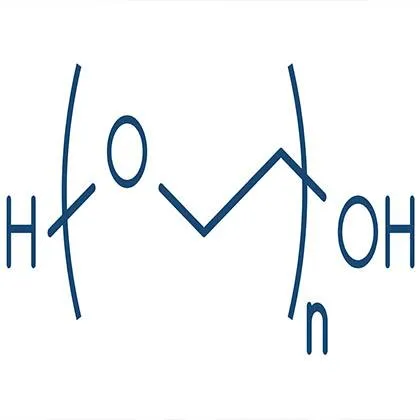
PPG ethers are formed by reacting polypropylene glycol with an alcohol — typically stearyl alcohol (C18) or butyl alcohol. The number indicates approximate PPG chain length (e.g. PPG-15 = ~15 propylene oxide units). Buteth grades are block copolymers combining PPG and PEG (propylene oxide + ethylene oxide) with butyl end groups.
PPG ethers function primarily as skin-conditioning emollients and solvents rather than high-HLB emulsifiers. They improve sensory feel, reduce whitening in antiperspirants, and help disperse active ingredients.
PPG grade comparison
| INCI name | Structure | HLB trend | Primary function | Key applications |
|---|---|---|---|---|
| PPG-15 STEARYL ETHER | PPG-15 + stearyl alcohol | ~7 (low) | Emollient, solvent, emulsifier | Moisturizers, antiperspirants, lipsticks |
| PPG-14 BUTYL ETHER | PPG-14 + butyl alcohol | Low | Emollient, spreading agent | Deodorants, AP sticks, shaving products |
| PPG-33 BUTYL ETHER | PPG-33 + butyl alcohol | Low | Emollient, solvent | Hair sprays, conditioners, colognes |
| PPG-40 BUTYL ETHER | PPG-40 + butyl alcohol | Low | Emollient, fragrance solvent | Antiperspirants, personal care solvents |
| PPG-12-BUTETH-16 | PPG-12 / butyl / 16 EO block | Moderate | Conditioner, emulsifier, solvent | Shampoos, body washes, cleansers |
PPG-15 STEARYL ETHER
PPG-15 stearyl ether is a polar polyether emollient with fast spreading, low viscosity, and a velvety skin feel. Key benefits:
- Excellent lubrication without excess oiliness
- Solvent for oil-soluble actives, pigments, and chemical sunscreens
- Stable across a wide pH range — suitable for antiperspirants and low-pH formulations
- Can form liquid-crystal (oleosome) structures with selected emulsifiers at low concentration
- Reduces irritation and improves glide in aerosol antiperspirants
CIR considers PPG-11 and PPG-15 stearyl ethers safe in cosmetic use. Typical use concentration: 1–10%, up to 25% in specialized systems.
PPG butyl ethers: PPG-14, PPG-33, PPG-40
PPG butyl ethers share a common function profile — emollient, solvent, and tack reduction — but differ in chain length and viscosity:
PPG-14 butyl ether is widely used in deodorants and antiperspirants to reduce whitening, improve spreading, and facilitate fast release of antiperspirant actives. Non-staining property is a key advantage in clear AP formulations.
PPG-33 butyl ether and PPG-40 butyl ether have longer PPG chains, offering different solvency and viscosity profiles for hair sprays, conditioners, colognes, and shaving preparations. Longer chains can improve fragrance solubilization in alcoholic systems.
The CIR Expert Panel reviewed butyl polyoxyalkylene ethers including PPG-12-Buteth-16 and concluded they are safe in cosmetics when formulated to be non-irritating.
PPG-12-BUTETH-16
PPG-12-Buteth-16 is a block copolymer emollient with hair-conditioning, skin-conditioning, and emulsifying functions. It forms a mesh-like film that helps retain moisture on skin and hair, improving softness and reducing dryness. Additional roles:
- Antistatic agent in hair care
- Emulsifier for oily ingredients in liquid products
- Surfactant support in shampoos and body washes
EU CosIng lists functions: hair conditioning, skin conditioning, solvent. CAS 9038-95-3.
PPG vs PEG — when to choose PPG ethers
| Need | Choose |
|---|---|
| O/W emulsion stability | PEG emulsifiers (Ceteareth, PEG stearate) |
| Non-greasy emollient slip | PPG stearyl or butyl ether |
| Antiperspirant tack reduction | PPG-14 or PPG-40 butyl ether |
| Hair conditioning in shampoo | PPG-12-Buteth-16 |
| Fragrance solubilization in water | High-HLB PEG/Laureth (not PPG) |
Venus supply
PPG emollients are listed on the emollients & conditioners page. Related: cosmetic emulsifiers hub, glycereth guide, personal care chemicals.
Request samples via contact Venus Ethoxyethers.
Why PPG ethers are valuable in sensorial engineering
PPG ethers are frequently chosen when a formulation needs slip, payoff, and low-tack after-feel without increasing heavy occlusion. In antiperspirants and deodorants, they improve glide and help reduce visible residue. In leave-on skin care, they can soften rub-in profile while supporting fragrance and oil-phase active dispersion.
Because PPG chemistry is more lipophilic than many PEG emulsifiers, these materials are often used as performance modifiers rather than primary emulsion builders. Formulation teams typically combine them with established nonionic emulsifier systems from the Venus emulsifier guide to maintain long-term stability while achieving targeted sensory outcomes.
Use-level framework by category
| INCI grade | Typical use level | Best-fit product types | Primary benefit |
|---|---|---|---|
| PPG-15 STEARYL ETHER | 1–8% | Creams, AP sticks, color cosmetics | Velvety slip and solvency |
| PPG-14 BUTYL ETHER | 2–10% | Deodorants, AP aerosols, clear gels | Tack reduction, non-staining profile |
| PPG-33 BUTYL ETHER | 1–6% | Fragrance systems, hair sprays | Fragrance handling and spread control |
| PPG-40 BUTYL ETHER | 1–6% | AP formats, solvent blends | Balanced emolliency and solvency |
| PPG-12-BUTETH-16 | 0.5–5% | Shampoo, body wash, conditioner | Conditioning and co-emulsification |
Worked example: low-whitening antiperspirant roll-on
| Phase | Raw material | % w/w | Function |
|---|---|---|---|
| A | Aluminum chlorohydrate solution | 20.0 | AP active |
| A | Water | q.s. to 100 | Carrier |
| B | PPG-14 BUTYL ETHER | 5.0 | Emollient solvent, tack control |
| B | PPG-15 STEARYL ETHER | 2.0 | Glide enhancer |
| C | Nonionic solubilizer package | 1.0–2.0 | Fragrance dispersion |
| D | Preservative / perfume | as required | Protection/sensory |
Start with aqueous active phase, add PPG blend under moderate shear, then finalize fragrance and preservative below 35–40°C. Validate whitening on black fabric panels after repeated application cycles. PPG butyl ethers often improve dry-down feel while preserving active efficacy.
Hair care use case: anti-static and combability support
In shampoos and 2-in-1 products, PPG-12-BUTETH-16 acts as a conditioning co-surfactant and can improve wet combing when paired with cationic polymers. Typical additions are low, but the effect on foam softness and after-feel can be significant, particularly in sulfate-free systems where sensory can otherwise become overly “squeaky.”
For clear shampoos, check cloud point and fragrance compatibility. If haze appears, reduce oil-phase burden or adjust the solubilizer package rather than removing PPG functionality entirely.
PPG versus silicone emollients: practical comparison
| Criterion | PPG ethers | Silicone fluids |
|---|---|---|
| Skin feel | Soft, less oily, fast spread | Silky, often very high slip |
| Compatibility with hydroalcoholic systems | Generally good (grade dependent) | May need special emulsification |
| Residue on fabrics | Low with optimized systems | Can vary by fluid type |
| Conditioning support in rinse-off | Good with surfactant systems | Often requires deposition aids |
Regulatory and quality notes for commercialization
CIR assessments for relevant PPG ether families support cosmetic use when products are formulated to be non-irritating. For launch readiness, regulatory teams should maintain INCI consistency across artwork, PIF documentation, and market registrations. As with other alkoxylated materials, customers may request declarations related to trace process impurities and manufacturing controls.
Procurement teams should qualify on the basis of color, odor, acid value, water content, and solvent profile consistency, especially for fragrance-sensitive products. Venus Ethoxyethers can align documentation packages to regional customer requirements and help evaluate alternative grades during cost or supply transitions.
Formulation troubleshooting for PPG systems
- Excessive thinning: reduce total PPG loading or increase structurant/wax network support.
- Fragrance bloom too strong: adjust solvent ratio and fixative package.
- Foam suppression in cleansers: balance with amphoteric surfactant or high-foam nonionic.
- Clouding in clear formats: revisit fragrance polarity and solubilizer blend.
Plant-trial and launch checklist
- Residue screening: run fabric panel checks for AP/deodorant formats.
- Odor interaction: verify no fragrance distortion after accelerated aging.
- Viscosity map: monitor flow at 25°C and 40°C to catch solvent-balance drift.
- Pack compatibility: test valves, rollers, and gaskets for swelling resistance.
Including these checks early is especially important for PPG butyl ethers, where small formulation changes can shift dry-down and sensory profile significantly between bench and production scale.
Portfolio strategy for contract manufacturers
Many contract manufacturers maintain two or three validated PPG blends to serve deodorant, hair, and skin-care projects with minimal redevelopment time. This modular approach improves response speed to customer briefs while keeping quality controls manageable across multiple product lines.
COA and spec tips for PPG ethers
Lock colour, odour, hydroxyl value or average PO, water, viscosity at a stated temperature, and appearance. Fragrance-sensitive AP and cologne bases also need a residual-odor panel against the qualification lot, because a slightly high aldehyde or peroxide note will distort a citrus accord even when the hydroxyl value is on spec. For PPG-12-Buteth-16, include cloud point or water solubility comments so shampoo plants can predict clarity. Freeze viscosity spindle, speed, and temperature. Venus Ethoxyethers has produced personal-care alkoxylates for more than 30 years from India and the United States, with 1,600+ products and lot COA for global cosmetic launches.
Worked example: clear AP gel with mixed PPG ethers
A clear roll-on that still whitens on black fabric can start from 20% aluminum chlorohydrate solution, 6% PPG-14 butyl ether, 1.5% PPG-15 stearyl ether, and a 1.5% high-HLB solubilizer for perfume. Add the PPG blend to the aqueous active under moderate shear below 40°C. If the gel hazes, cut the stearyl ether first (it is the more lipophilic of the pair) rather than stripping all PPG. If tack remains after dry-down, raise PPG-14 toward 8% and re-check fabric panels after six wear cycles. Do not judge whitening on a glass plate alone — textile residue is the consumer-visible failure mode.
Troubleshooting PPG emollient performance
| Symptom | Likely cause | Direction |
|---|---|---|
| White marks on dark fabric | AP salt plus insufficient butyl ether | Raise PPG-14; confirm active crystal size |
| Shampoo foam collapses | PPG-12-Buteth-16 overloaded | Keep at 0.5–2%; add amphoteric foam booster |
| Fragrance smells sharp after 45°C aging | Peroxide or residual odor in the PPG lot | Retest COA odour; specify a tighter peroxide limit |
| Stick or roll-on weeps oil | PPG level above the structurant capacity | Cut total PPG 1–2% or raise wax/network gum |
| Clear gel clouds at 5°C | Stearyl ether plus polar perfume | Shift toward PPG-14 or PPG-40 butyl ether |
Venus Ethoxyethers cross-links
For integrated system design, review emollients and conditioners, Glycereth and PEG lanolin guide, PEG-6 methyl ether guide, and personal care chemicals. Teams can request comparative grade suggestions via contact Venus Ethoxyethers.