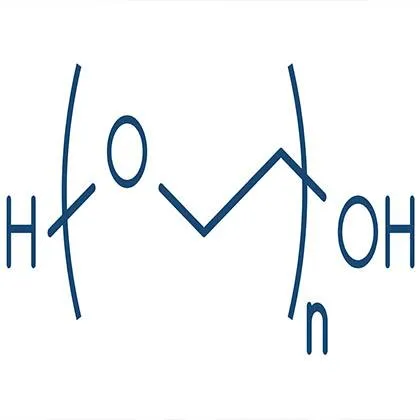
PEG & glycols
Glycol Fatty Acid Esters: EGMS, EGDS, and PEG Esters for Personal Care
Glycol fatty acid esters — including ethylene glycol monostearate (EGMS), ethylene glycol distearate (EGDS), and PEG esters — are specialty ingredients that provide pearlescence, opacification, emulsification, and thickening in personal care and cosmetic formulations. Unlike glycerol monostearate, which is chosen mainly to emulsify and body a cream, short-chain glycol stearates are chosen because they crystallize into thin platelets that bounce light. This guide covers the chemistry, performance characteristics, and application differences between EGMS, EGDS, PEG-stearate esters, and related glycerol esters, with formulation guidance for shampoos, body washes, and creams, plus troubleshooting when pearl fails to develop. Venus Ethoxyethers manufactures glycol and PEG ester surfactants from integrated facilities in Goa, India, with 30+ years of ester chemistry experience and 1,600+ specialty products.
On this page
- What are glycol fatty acid esters?
- EGMS vs EGDS: pearlizing chemistry
- Formulating pearlescent products
- Worked formula notes: pearl vs viscosity
- PEG esters: emulsifiers and solubilizers
- Glycol esters vs glycerol esters
- Additional applications
- Troubleshooting pearl and opacity
- Quality and specifications
- Storage and handling
- Sourcing glycol esters from Venus
What are glycol fatty acid esters?
Glycol fatty acid esters are formed by esterifying glycols (ethylene glycol, propylene glycol, or polyethylene glycol) with fatty acids, typically stearic acid. The resulting molecules have varying degrees of hydrophilicity and lipophilicity depending on the glycol chain length and number of fatty acid chains attached. A short ethylene glycol backbone with one or two stearate chains is barely water-soluble; it melts into a surfactant base and then recrystallizes as pearl. A long PEG backbone with one stearate chain is water-dispersible and behaves as an O/W emulsifier or SLES thickener instead.
The most common commercial grades are:
- EGMS (Ethylene Glycol Monostearate) — pearlizing and opacifying agent
- EGDS (Ethylene Glycol Distearate) — premium pearlizing agent with excellent crystal formation
- PEG Esters — emulsifiers and solubilizers with varying HLB based on PEG molecular weight
Commercial “glycol stearate” is often a mono/diester mixture rather than a pure compound. Pearl performance depends on that ratio, on residual free stearic acid, and on how the ester crystallizes in a given surfactant base. Treat brand-to-brand substitutions as requiring a pearl check in your own formula, not a 1:1 drop-in on paper.
EGMS vs EGDS: pearlizing chemistry
Both EGMS and EGDS create the lustrous, pearlescent appearance in shampoos, body washes, and liquid soaps. The effect results from thin crystalline platelets that form upon cooling and reflect light. Platelets that are too small look milky-opaque; platelets that are too large or poorly oriented look grainy or dull. Key differences:
| Property | EGMS | EGDS |
|---|---|---|
| Structure | Monoester (one stearate chain) | Diester (two stearate chains) |
| Pearl intensity | Good | Excellent, brighter |
| Solubility | More water-dispersible | Less water-soluble |
| Thickening contribution | Moderate | Lower |
| Use level | 1–3% | 0.5–2% |
EGDS produces the most brilliant pearl effect and is the standard choice for premium pearlescent shampoos and body washes. EGMS offers good pearlescence with additional thickening benefits. If a sulfate-free or highly amphoteric base pearls poorly with EGDS, EGMS (or a mixed mono/diester) is sometimes easier to disperse, at the cost of a softer sheen.
How pearl crystals actually form
Glycol stearates must be fully melted so no seed crystals of the wrong habit remain, then cooled through a narrow window where lamellar platelets nucleate in the surfactant micellar phase. In typical SLES / betaine bases that window is about 45–55 °C. Rapid crash-cooling freezes a jumble of small crystals (opaque, little shimmer). Excessive high shear while crystals are growing can smash platelets into a dull haze. Leaving the batch static in that window can grow oversized plates that feel sandy. The practical process is slow cooling with gentle sweep agitation — enough motion for heat transfer, not enough to mill the crystals.
Formulating pearlescent products
To achieve pearlescence, glycol stearates must crystallize during cooling of the hot-processed formulation. Process guidelines:
- Heat the oil phase (including glycol stearate) to 75–80 °C to fully melt
- Heat the water phase to similar temperature
- Combine phases with mixing and begin slow cooling
- Crystal formation occurs between 45–55 °C — avoid rapid cooling or excessive shear that disrupts crystals
- Final pearl appearance develops after 24–48 hours at room temperature
Do not judge pearl at the kettle 30 minutes after cool-down. Many systems look only faintly opaque until crystals finish ripening overnight. Photograph retain samples at 24 hours and at one week; some formulas gain sheen, others dull if crystals coarsen.
Example pearlescent shampoo:
- 12% SLES (2 EO)
- 3% cocamidopropyl betaine
- 1.5% EGDS
- 0.5% cocamide MEA
- Salt for viscosity, preservative, fragrance
Add fragrance and some dyes after the crystallization window so they do not stain growing plates unevenly. Highly polar dyes and some UV filters can adsorb on crystals and mute pearl; check colour and sheen together, not in separate lab cups.
Worked formula notes: pearl vs viscosity
Pearl and viscosity compete for process attention. Salt thickening of SLES is often finished after EGDS has crystallized, because a very thick mass during the 45–55 °C window traps heat and yields uneven crystals. A practical sequence: emulsify/melt at 75–80 °C, cool with moderate agitation to ~45 °C, hold or slow-stir until a silky sheen appears, then add salt in increments to the target Brookfield viscosity at 25 °C. If you salt first to a heavy gel, pearl is frequently weak or streaky.
Cocamide MEA or MIPA at 0.3–1% can help both foam and crystal lubrication. High levels of cationic conditioners or silicone emulsions sometimes disrupt plates; add them after pearl has set, or reduce EGDS and accept a softer sheen. See alkanolamides guide and CAPB guide for the rest of the cleanser chassis.
PEG esters: emulsifiers and solubilizers
PEG esters are formed by esterifying polyethylene glycol with fatty acids. The PEG molecular weight determines HLB and application. These grades are not pearlizing agents in the EGDS sense; they are O/W emulsifiers, coupling agents, and rheology modifiers.
| PEG Ester | HLB (approx.) | Primary function |
|---|---|---|
| PEG-8 Stearate | ~11 | Emulsifier, solubilizer |
| PEG-20 Stearate | ~15 | O/W emulsifier, coupling agent |
| PEG-40 Stearate | ~17 | Solubilizer, thickener |
| PEG-100 Stearate | ~18 | SLES thickener, mild emulsifier |
PEG-100 stearate and PEG-150 distearate are widely used as SLES thickeners — see PEG stearate emulsifiers guide. Pairing PEG-100 stearate with glyceryl stearate is a classic self-emulsifying O/W cream base; that is a different job from putting EGDS into a shampoo. Do not substitute EGDS for PEG-100 stearate (or the reverse) and expect the same function.
PEG diesters (for example PEG-150 distearate) insert into anionic micelles and raise viscosity with little salt. They can complement glycol stearate pearl systems: EGDS for appearance, PEG diester for body. Overdosing both can yield a pudding that will not pump and still looks only moderately pearled.
Glycol esters vs glycerol esters
Glycol esters (EGMS, EGDS) differ from glycerol esters (GMS, GMO) in backbone structure:
- Glycol esters — two-carbon backbone (ethylene glycol); primarily pearlizing/opacifying function
- Glycerol esters — three-carbon backbone with three hydroxyl positions; primarily emulsification function
GMS (glycerol monostearate) is a common O/W emulsifier in creams and lotions. EGDS provides better pearlescence. The choice depends on formulation goal — see glycerol esters guide for emulsifier applications. Propylene glycol stearates exist as well; they are used more as co-emulsifiers and skin-feel modifiers than as classic shampoo pearlizers. If a brief calls for “glycol stearate” without EGMS/EGDS specified, confirm whether the buyer wants pearl (ethylene glycol stearates) or a cream emulsifier (often GMS or PEG stearate).
Additional applications
Opacifying: EGMS and EGDS create opacity in clear surfactant systems without heavy pigment loads. A low use level can hide slight colour variation in a base while still looking “natural white” rather than titanium-dioxide chalky. For true metallic pearl, EGDS remains the cleaner choice; for simple opacity, EGMS or mixed esters often suffice.
Thickening: Glycol monostearates contribute to viscosity building in SLES-based systems, complementing salt thickening. They are not a full replacement for a salt curve or a PEG-150 distearate, but they take the edge off a watery base.
Conditioning: At low levels, glycol stearates deposit on hair and skin during rinse-off, providing mild conditioning. This is a secondary benefit, not a substitute for quats or silicone emulsions in a dedicated conditioner.
Industrial emulsions: PEG esters serve as emulsifiers in textile auxiliaries, metal working fluids, and agricultural formulations where their HLB profile matches requirements. EGMS/EGDS are less common outside personal care because pearl is rarely specified in industrial fluids, but the same esters can opacify some household cleaners and hand soaps.
Troubleshooting pearl and opacity
| Symptom | Likely cause | Corrective action |
|---|---|---|
| No pearl, batch stays clear or watery | EGDS not fully melted, or cooled too fast past 45–55 °C | Confirm 75–80 °C melt; slow cool; check use level (0.5–2% EGDS) |
| Milky white, no shimmer | Crystals too small (high shear or crash cool) | Reduce mixer speed in the crystallization window |
| Grainy or sandy feel | Oversized plates or undissolved wax | Full melt; gentle agitation; avoid dumping cold EGDS into a finished gel |
| Pearl fades after salt or fragrance | Late high-shear or solvent disruption of plates | Add salt after sheen appears; add fragrance below ~40 °C with low shear |
| Poor pearl in sulfate-free base | Micellar environment unlike SLES | Trial EGMS or mixed ester; raise use level slightly; verify cooling profile |
| Yellow or off-odour | Overheating, poor nitrogen, aged stearic feedstock | Limit kettle time at 80 °C; check incoming colour and acid value |
Quality and specifications
Key specifications for glycol esters include acid value, saponification value, iodine value, melting point, and colour. Typical commercial glycol stearates are low-iodine (saturated stearate), with melting points high enough that they are solids at warehouse ambient and melt cleanly in the 55–70 °C region depending on mono/diester ratio. Pearlizing grades require consistent crystal-forming properties batch to batch — Venus quality control tests pearl formation in standard shampoo bases.
When dual-sourcing, run a side-by-side pearl test in your own SLES/betaine chassis at the same cooling rate, not only a melting-point check. Acid value (free fatty acid) and mono/diester balance affect crystal habit more than a single melting point number. For PEG esters used as emulsifiers, add HLB, hydroxyl or saponification identity, water, and — for ethoxylated or PEG-based grades — residual ethylene oxide and 1,4-dioxane discussion appropriate to the cosmetic market.
Storage and handling
Store flakes or pastilles cool, dry, and closed. Moisture plus heat can raise acid value through hydrolysis, which dulls pearl and can shift odour. Melt only what you will use; repeated melt–freeze cycles on a drum heel encourage mixed crystal forms. For PEG esters in bags or drums, avoid caking from warehouse heat cycling; if the solid has sintered, mill or remelt with care rather than adding lumps to a cold surfactant mix.
Sourcing glycol esters from Venus
Venus Ethoxyethers manufactures EGMS, EGDS, and PEG ester grades for personal care and industrial applications. Our Goa facilities support custom ester chemistry and technical formulation assistance, backed by 30+ years of manufacturing and a portfolio of more than 1,600 specialty products. Samples, TDS, and pearl-check guidance in a standard shampoo chassis are available for qualifying new bases.
Contact Venus Ethoxyethers for glycol ester samples, TDS, and formulation support. Related: personal care surfactants, ester chemistries, personal care surfactants guide.