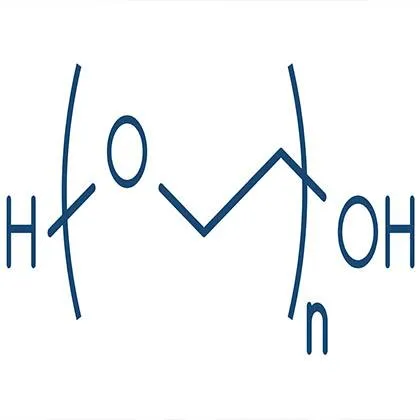
PEG & glycols
PEG 4000, 6000, and 8000: Solid Polyethylene Glycols for Pharma and Industry
Solid polyethylene glycols — PEG 4000, PEG 6000, and PEG 8000 — are the workhorses of pharmaceutical formulation, serving as ointment bases, tablet binders, suppository carriers, and film-coating plasticizers. Unlike liquid PEG 200–600, these higher molecular weight grades are waxy solids at room temperature with melting points suitable for melt processing and direct compression. This guide covers physical properties, melting behaviour, pharmacopoeial status, and selection criteria for these three key solid PEG grades. Venus Ethoxyethers and subsidiary Avesta Pharma manufacture solid PEG grades from Goa, India, for pharmaceutical and industrial customers worldwide. For PEG 8000 and higher, see also the high molecular weight PEG guide.
On this page
- Solid PEG overview
- Physical properties comparison
- PEG 4000: the versatile starting grade
- PEG 6000: the intermediate workhorse
- PEG 8000: pharmaceutical and coating standard
- Solid PEG vs liquid PEG comparison
- Blending solid PEG grades
- Tablet granulation, coating, and troubleshooting
- Pharmacopoeial status and typical COA parameters
- Pharma vs technical grade
- Storage and handling
- Sourcing solid PEG from Venus
Solid PEG overview
Polyethylene glycol (PEG) is a polymer of repeating ethylene oxide units terminated by hydroxyl groups. Molecular weight determines physical state: PEG grades below ~600 are liquid at room temperature; PEG 1000–3350 are semi-solid (paste-like); and PEG 4000 and above are solid flakes or powders. All commercial PEG grades share CAS 25322-68-3; they differ in average molecular weight, melting range, melt viscosity, and the documentation that accompanies the lot.
The solid PEG grades discussed here — 4000, 6000, and 8000 — span the most commonly specified range for pharmaceutical applications, balancing melting point, hardness, melt viscosity, and pharmacopoeial acceptance. In European and many international monographs they appear as macrogol 4000, 6000, and 8000. US Pharmacopoeia and industrial data sheets typically retain the PEG name. The chemistry is identical; naming and acceptance criteria follow the monograph you register against.
For the full MW ladder including liquids and PEG 10000–20000, see the PEG grades guide and polyethylene glycol product hub. Manufacturing background: PEG manufacturing in India.
Physical properties comparison
| Grade | Avg. MW (g/mol) | Physical form | Melting range | Melt viscosity |
|---|---|---|---|---|
| PEG 4000 (Macrogol 4000) | 3000–3700 | Flake / powder | 50–58°C | Low |
| PEG 6000 (Macrogol 6000) | 5400–6600 | Flake / powder | 55–63°C | Moderate |
| PEG 8000 (Macrogol 8000) | 7200–8800 | Flake / powder | 60–65°C | Moderate |
Pharmacopoeial monographs (USP, Ph. Eur., IP, JP) specify average molecular weight by viscosity method, along with identification tests, acidity, water, and limits on ethylene glycol, diethylene glycol, and 1,4-dioxane. Actual melting range varies with molecular weight distribution: a broader distribution typically widens the melt window, which can be helpful in ointment blending and unhelpful if a tablet coating must stay non-tacky in a hot warehouse.
Hygroscopicity is lower than liquid PEG 200–600 but is not zero. Surface tack and caking appear if flakes sit in humid air. Melt viscosity rises from PEG 4000 to PEG 8000, which is why 4000 is easier to stir into an ointment kettle while 8000 gives a harder, less tacky film on tablets. Product detail for the coating grade: PEG 8000.
PEG 4000: the versatile starting grade
PEG 4000 (macrogol 4000) is the lowest melting solid PEG in wide pharmaceutical use. Applications include:
- Ointment and cream bases — blended with liquid PEG 400 for consistency
- Suppository bases — combined with higher MW PEG for melting point adjustment
- Tablet binder — in wet granulation processes
- Ceramic and detergent binder — industrial applications
PEG 4000's relatively low melting point (50–58°C) means it can soften in hot climates unless formulated or packaged appropriately. In Goa-to-Gulf or India-to-Africa shipping lanes, a PEG 4000-rich ointment or suppository can slump in a container that reaches 50°C. Formulators serving tropical markets often raise the solid fraction toward PEG 6000 or 8000, or specify insulated logistics for finished goods.
A typical hydrophilic ointment starts around 40–60% PEG 400 with 40–60% PEG 4000, melted together, cooled with mixing, and filled. Drug release is generally faster from PEG bases than from hydrocarbon ointments because the base dissolves in wound fluid or skin moisture. That is an advantage for many topicals and a reason to confirm API compatibility — some actives hydrolyse or oxidise more readily in a hydrophilic vehicle. See PEG in pharmaceutical formulations.
PEG 6000: the intermediate workhorse
PEG 6000 (macrogol 6000) offers higher melting point and hardness than PEG 4000 while remaining easier to process than higher MW grades:
- Suppository bases — standard choice for temperate climates
- Tablet lubricant and binder
- Detergent anti-redeposition — prevents soil reattachment in laundry
- Cosmetic thickener — in sticks and solid formulations
PEG 6000 is often specified where PEG 4000 is too soft but PEG 8000's higher melt viscosity is unnecessary. In wet granulation, PEG 6000 dissolved in water or hydroalcoholic fluid at a few percent of the dry blend produces granules that compress to acceptable hardness without the slower dissolution sometimes seen with very high-MW binders. In laundry, PEG 6000 adsorbs on fabric and soil and helps keep particulate soil in the wash liquor — a technical-grade use that does not require a pharmacopoeial COA.
Toothpaste and cosmetic stick formulators use PEG 6000 to bind water and set structure. Industrial buyers use the same nominal MW as a ceramic binder or powder agglomeration aid. Again, the polymer can look identical on a headline MW; the impurity profile and change-control package should not.
PEG 8000: pharmaceutical and coating standard
PEG 8000 (macrogol 8000) is the most widely specified solid PEG for pharmaceutical applications:
- Film coating plasticizer — improves flexibility of HPMC, PVA, and acrylic coatings
- Wet granulation binder — dissolved or melted in granulating fluid
- Capsule lubricant — reduces friction during filling
- Hot-melt extrusion — thermoplastic carrier for taste masking
PEG 8000's higher melting point (60–65°C) and lower hygroscopicity versus PEG 4000 provide better stability in tablet coatings and tropical storage. In a typical film-coating dispersion, PEG 8000 is added at roughly 10–30% of polymer solids. Too little plasticizer yields brittle films that crack on the tablet edge; too much yields tacky cores that twin in the pan or stick in blister pockets. Avesta Pharma supplies macrogol 8000 under GMP-aligned systems for US, European, and other regulated markets.
Hot-melt extrusion and solid dispersions use PEG 8000 (often blended with PEG 4000 or 6000) as a thermoplastic carrier to improve dissolution of poorly soluble APIs or to mask taste. Screw temperature must exceed the PEG melting point without degrading heat-sensitive drugs. Confirm residual moisture in the PEG flake before extrusion — water flashes in the barrel and can foam the extrudate.
Solid PEG vs liquid PEG comparison
| Property | Liquid PEG (200–600) | Solid PEG (4000–8000) |
|---|---|---|
| Physical form (25°C) | Clear liquid | Waxy flake / powder |
| Typical function | Solvent, humectant, coupling agent | Binder, base, plasticizer |
| Hygroscopicity | Higher | Lower |
| Processing | Pour, mix | Melt, granulate, compress |
For detailed comparison of liquid grades, see PEG 200 vs 400 vs 600. Liquid and solid grades are routinely combined: PEG 400 plus PEG 4000 for ointments, PEG 400 as a granulating aid with PEG 8000 as the dry binder, or a small liquid fraction to soften a suppository melt. They are the same polyether family and mix without phase separation.
Blending solid PEG grades
PEG grades are fully compatible and commonly blended to achieve intermediate melting points and hardness. A suppository base might combine:
- 60% PEG 4000 + 40% PEG 6000 for moderate melting point
- 50% PEG 6000 + 50% PEG 8000 for tropical climates
- PEG 4000 + liquid PEG 400 for softer ointment consistency
Melting range of blends is approximately weight-averaged; confirm by DSC testing for critical applications. Drug release from PEG suppositories depends on melting and on dissolution of the base in rectal fluid — a higher-MW blend that stays solid in a 40°C warehouse may also release more slowly. Always check dissolution or disintegration of the finished unit, not only the DSC peak of the empty base.
Tablet granulation, coating, and troubleshooting
Wet granulation: Dissolve or melt PEG 6000 or 8000 in the granulating fluid; add to the powder mix in a high-shear or fluid-bed granulator; dry to the target LOD. Binder levels commonly fall in the 2–10% w/w range depending on tablet hardness and dissolution. Over-binding with high-MW PEG can slow disintegration; under-binding yields capping and high friability.
Film coating: Add PEG 8000 to the coating dispersion, filter if needed, and apply at the recommended polymer weight gain. Twinning, orange peel, and logo bridging are usually process issues (spray rate, bed temperature, solids) rather than PEG grade, but excess plasticizer makes them worse. Sticking in blisters: reduce PEG level slightly or raise coating hardness with a higher-MW grade. Cracked film after dry storage: increase plasticizer or check that PEG fully dissolved in the dispersion.
Soft ointment in summer / hard ointment in winter: shift the PEG 400 : PEG 4000 (or 6000) ratio rather than adding mineral oil, which changes the vehicle type. Caked incoming flakes: store sealed; if compacted, gentle warming (50–60°C) breaks lumps. Do not shovel wet, tacky PEG into a mill and expect a free-flowing powder without drying.
Pharmacopoeial status and typical COA parameters
Avesta Pharma manufactures macrogol 4000, 6000, and 8000 meeting USP, Ph. Eur., and IP monographs from GMP-aligned facilities in India. A typical pharmaceutical COA addresses identity, appearance, average molecular weight (viscosity), pH of solution, water, acidity, viscosity, residue on ignition, heavy metals, ethylene glycol, diethylene glycol, and residual ethylene oxide within monograph or customer limits. Change control, validated methods, and batch traceability support customer audits and DMF-related documentation where applicable.
| Attribute | Pharmacopoeial (macrogol) | Technical grade |
|---|---|---|
| Manufacturing | GMP-aligned, validated methods | ISO quality, COA per batch |
| Impurity limits | USP / Ph. Eur. / IP / JP glycols, metals, EO | Fit for industrial use; tighter on request |
| Documentation | Change control, stability, audit support | COA, SDS, batch traceability |
| Typical use | Oral, topical, suppository drug products | Detergents, ceramics, lubricants |
Pharma vs technical grade
Pharmaceutical (macrogol) grades meet USP, Ph. Eur., IP, or JP monographs with controlled limits on impurities and validated manufacturing. Technical grades are suitable for detergents, ceramics, and industrial binders where pharmacopoeial compliance is unnecessary — at lower cost. Venus supplies both channels from integrated manufacturing. Using technical PEG in a registered drug product without pharmacopoeial compliance is a regulatory failure; procurement must match grade to application.
Storage and handling
Store solid PEG in sealed containers in cool, dry conditions. Although less hygroscopic than liquid grades, prolonged humidity exposure causes surface tack and caking. Gentle warming (50–60°C) breaks up compacted material. PEG is chemically stable under normal storage; avoid strong oxidizers. Control dust when milling flakes. For pharma lots, follow labelled storage and retest dates so the excipient remains within the qualified specification at use.
Sourcing solid PEG from Venus
Venus Ethoxyethers and Avesta Pharma manufacture PEG 4000, 6000, and 8000 at GMP-aligned facilities in Goa for pharmaceutical customers, with ISO-certified technical grades for industrial applications. We provide COA, regulatory documentation, and technical support for excipient qualification. Group alkoxylation capacity of 90,000 MT, dual India–U.S. manufacturing, and 24/7 R&D support custom average molecular weights and physical forms when a standard grade is not quite right.
Industry context for how these grades are used outside the tablet plant is in polyethylene glycol uses by industry. Contact Venus Ethoxyethers for solid PEG samples, TDS, and pharmacopoeial documentation.