PEG & glycols
PEG vs Propylene Glycol: Solvent Comparison for Pharma, Cosmetics and Industry
Polyethylene glycol (PEG) and propylene glycol (PPG) are both hydrophilic, oxygen-containing solvents widely used in pharmaceuticals, cosmetics, food, and industrial formulations — yet they differ fundamentally in molecular architecture, molecular weight range, physical properties, regulatory status, and toxicity profile. PEG is a polymeric diol with repeating ethylene oxide units; propylene glycol is a small-molecule diol (C3H8O2, CAS 57-55-6). Confusing the abbreviations PPG (propylene glycol) with polypropylene glycol (also sometimes abbreviated PPG) is a common sourcing error. This guide compares PEG and propylene glycol across molecular weight effects, application sectors, formulation behaviour, and safety data, with sourcing context from Venus Ethoxyethers and Avesta Pharma in Goa, India.
On this page
- PEG and propylene glycol: not the same chemistry
- Side-by-side comparison table
- Molecular weight effects in PEG
- Pharmaceutical applications
- Cosmetic and personal care applications
- Industrial applications
- Toxicity and safety profile
- When to choose PEG vs propylene glycol
- Substitution pitfalls
- Sourcing from Venus Ethoxyethers India
PEG and propylene glycol: not the same chemistry
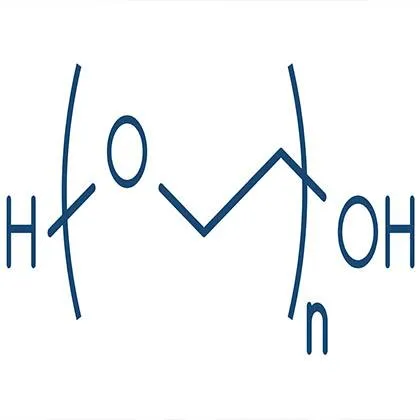
Polyethylene glycol (PEG), CAS 25322-68-3, is a linear polymer of ethylene oxide with terminal hydroxyl groups: HO–(CH₂CH₂O)ₙ–CH₂CH₂–OH. Average molecular weight determines the grade name — PEG 400 has ~400 g/mol average MW; PEG 4000 has ~4000 g/mol. PEG is manufactured by anionic or cationic polymerization of ethylene oxide, initiated from ethylene glycol or water.
Propylene glycol (PG), CAS 57-55-6, is 1,2-propanediol — a three-carbon diol with one secondary hydroxyl. It is manufactured by hydrolysis of propylene oxide. Molecular weight is fixed at 76.09 g/mol. In pharmacopoeias it appears as propylene glycol (USP, Ph. Eur.) or propane-1,2-diol.
Naming caution: In solvent discussions, PPG often means propylene glycol. In polymer chemistry, PPG also denotes polypropylene glycol (polyoxypropylene diol) — a completely different hydrophobic polyol used in polyurethanes and EO–PO block copolymers. This guide compares polyethylene glycol (PEG) with propylene glycol (PG). For polypropylene glycol polymers, see EO–PO copolymer literature.
Product hubs: polyethylene glycol | PEG grades guide | pharma-grade PEG sourcing India.
Side-by-side comparison table
| Property | Polyethylene glycol (PEG) | Propylene glycol (PG) |
|---|---|---|
| CAS number | 25322-68-3 | 57-55-6 |
| Molecular weight | 200–20000+ g/mol (grade dependent) | 76 g/mol (fixed) |
| Physical form at 25°C | Liquid (200–600) to solid wax (4000+) | Colourless liquid |
| Viscosity | 40 cSt (PEG 400) to solid | ~48 mPa·s |
| Water miscibility | Complete (liquid grades) | Complete |
| Hygroscopicity | Moderate to high (liquids) | Moderate |
| Regulatory status | USP/Ph. Eur./IP macrogol grades | USP/Ph. Eur./GRAS food additive |
| Primary pharma roles | Excipient, binder, solvent, laxative | Solvent, cosolvent, humectant, preservative enhancer |
| Primary cosmetic roles | Humectant, solvent, thickener (high MW) | Humectant, solvent, penetration enhancer |
| Industrial roles | Dispersant, lubricant, anti-redeposition | Antifreeze, heat transfer, unsaturated polyester resin |
| Biodegradability | Readily biodegradable (OECD 301) | Readily biodegradable |
| Typical toxicity | Low acute; laxative effect at high oral dose (PEG 3350) | Low acute; ADI established for food use |
Molecular weight effects in PEG
Propylene glycol is a single molecular species. PEG is a distribution of chain lengths, and average molecular weight controls nearly every formulation property. Understanding MW effects is essential for PEG selection — and explains why PEG cannot be replaced by propylene glycol (or vice versa) without reformulation.
| PEG grade | Avg. MW (g/mol) | Form at 25°C | Viscosity / melt | Key applications |
|---|---|---|---|---|
| PEG 200 | 190–210 | Liquid | ~40 cSt | Industrial solvent, reaction medium, low-viscosity carrier |
| PEG 400 | 380–420 | Liquid | ~110 cSt | Pharma/cosmetic solvent, soft gel fill, topical vehicle |
| PEG 600 | 570–630 | Liquid | ~130 cSt | Ointment component, solubilizer |
| PEG 1500 | 1300–1600 | Semi-solid | Soft paste | Suppository base (with PEG 4000), ointment |
| PEG 3350 | 3000–3700 | Solid flake | Melting ~55°C | Osmotic laxative (active ingredient) |
| PEG 4000 | 3000–3700 | Solid flake | Melting ~58°C | Tablet binder, ointment base, cosmetic thickener |
| PEG 8000 | 7200–8800 | Solid flake | Melting ~62°C | Pharma excipient, film coating plasticizer |
As PEG molecular weight increases: viscosity and melting point rise; hygroscopicity decreases; dissolution rate in water slows; lubricant and binding properties in tablet formulations strengthen. Liquid PEG 400 is the closest PEG grade to propylene glycol in viscosity and solvent behaviour — yet PEG 400 is still a polymer with very different impurity profile and pharmacopoeial identity.
Detailed high-MW discussion: high molecular weight PEG guide. Liquid grade comparison: PEG 200 vs 400 vs 600.
Pharmaceutical applications
Propylene glycol in pharma: Used as a solvent and cosolvent for poorly water-soluble actives in oral solutions, topical gels, and injectables (where monograph permits). Typical concentrations are 5–40% in topical formulations. PG enhances preservative efficacy, lowers freezing point of aqueous preparations, and acts as a humectant in topical gels. It appears in thousands of approved drug products globally.
PEG in pharma: Serves multiple excipient functions by grade — PEG 400 as solvent in oral and topical liquids; PEG 1500–3350 as suppository and ointment base components; PEG 3350 as the active ingredient in osmotic laxatives (osmotic PEG 3350 laxative class); PEG 4000–8000 as tablet binders, film coating plasticizers, and capsule lubricants. Pharmacopoeial macrogol grades require GMP-aligned manufacturing with limits on ethylene glycol, diethylene glycol, and 1,4-dioxane.
| Pharma function | Preferred solvent | Rationale |
|---|---|---|
| Cosolvent for BCS Class II actives in oral solution | Propylene glycol | Low viscosity, established GRAS/USP status, low MW penetration |
| Topical gel vehicle | PG or PEG 400 | PG: lower viscosity; PEG 400: polymer solvent with different mucosal feel |
| Suppository base | PEG blends (1500 + 4000) | PG is liquid — cannot form suppository structure alone |
| Tablet wet granulation binder | PEG 4000 / 8000 | PG has no binding property at solid dose form |
| Osmotic laxative | PEG 3350 (macrogol 3350) | Specific osmotic mechanism; PG not interchangeable |
| Injectable cosolvent | PG (where monograph permits) | Lower MW; PEG 400 used in some parenteral formulations per monograph |
Avesta Pharma, Venus Ethoxyethers subsidiary, supplies pharmacopoeial macrogol grades under GMP-aligned quality systems for regulated markets. See PEG in pharmaceutical formulations for stability considerations.
Cosmetic and personal care applications
Propylene glycol in cosmetics: Functions as humectant, solvent, and viscosity modifier in lotions, creams, deodorants, and hair care at 1–10% typical concentration. It helps dissolve preservatives and UV filters and improves spreadability of aqueous gels. Consumer perception of PG varies — some brands promote "propylene glycol–free" marketing despite established safety at cosmetic concentrations.
PEG in cosmetics: Liquid PEG 400 serves as humectant and solvent similar to PG but with higher viscosity and slightly different skin feel. High-MW PEG (4000–8000) functions as thickener, binder in stick products (deodorant, lipstick), and film-former in hair styling products. PEGylated emulsifiers (polysorbates, ceteth/steareth) are derived from PEG chemistry — distinct from neat PEG solvent.
Humectant comparison at 5% in aqueous gel:
- Propylene glycol: Lower viscosity; fast skin absorption; may cause stinging on broken skin at high %
- PEG 400: Slightly tackier film; good solvent for difficult actives; similar humectancy
- PEG 4000 (1–3%): Thickening and moisture retention in cream bases; not a direct PG substitute
See humectants guide for broader personal care solvent selection.
Industrial applications
Propylene glycol industrial uses: Aircraft and HVAC antifreeze (as PG-based heat transfer fluid), unsaturated polyester resin manufacture (reacted with maleic anhydride), hydraulic and brake fluid component, smoke machine fluid, and solvent in inks and coatings. Food-grade PG (USP) is used as humectant in pet food and flavour carriers.
PEG industrial uses: Ceramic binder (PEG 4000 burns out cleanly), lubricant in rubber and latex processing, anti-redeposition agent in laundry detergents (PEG 6000–20000), pigment dispersant in water-based inks, synthesis intermediate for esters and polyurethanes, and phase-change thermal storage in solid PEG grades.
In agrochemical SC formulations, propylene glycol appears as antifreeze at 5–10% to prevent freezing during cold storage — a role PEG liquid grades could technically fill but at higher cost. See agrochemical formulation guide.
| Industrial need | PEG | Propylene glycol |
|---|---|---|
| Antifreeze / freeze-point depression | Possible (liquid grades) | Preferred — lower cost, established heat transfer data |
| Solid binder that burns out clean | PEG 4000–8000 | Not applicable (liquid) |
| Detergent anti-redeposition | PEG 6000–20000 | Not applicable |
| Low-viscosity polar solvent | PEG 200–400 | PG — lower viscosity, lower MW |
| Resin synthesis (UPR) | Not standard | PG — primary diol feedstock |
Toxicity and safety profile
Propylene glycol toxicity: PG has low acute oral toxicity (rat LD50 ~20 g/kg). JECFA established an acceptable daily intake (ADI) of 0–25 mg/kg body weight for food use. USP propylene glycol is widely used in food, pharma, and cosmetics. High concentrations in topical products may cause irritation or allergic contact dermatitis in a small percentage of sensitive individuals. Intravenous administration at very high doses has been associated with CNS depression in rare clinical contexts — relevant to hospital pharmacy compounding, not cosmetic use.
PEG toxicity: Liquid and solid PEG grades have low acute toxicity by oral and dermal routes. The primary pharmacological effect of high oral doses of PEG 3350 is osmotic laxation — exploited therapeutically in bowel preparation products. Impurities are the main regulatory concern: ethylene glycol and diethylene glycol must be controlled below pharmacopoeial limits in pharma grades because diethylene glycol poisoning causes renal and neurological injury. 1,4-dioxane (potential EO process impurity) is limited in cosmetic and pharma specifications.
| Safety aspect | PEG | Propylene glycol |
|---|---|---|
| Acute oral toxicity | Low | Low |
| Skin irritation | Low (neat liquid grades) | Low–moderate at high % on sensitive skin |
| Key impurity concern | Ethylene glycol, DEG, 1,4-dioxane | Propylene oxide residual (manufacturing) |
| Food use | PEG 3350 as laxative; food additive limits by grade | GRAS; widely used humectant |
| Injectable use | PEG 400 in select monographs | Permitted cosolvent in many parenterals |
| Environmental fate | Readily biodegradable | Readily biodegradable |
Neither PEG nor propylene glycol is classified as a VOC concern at typical formulation levels. Both are preferred over aromatic solvents (benzene, toluene) and chlorinated solvents for toxicity and regulatory reasons.
When to choose PEG vs propylene glycol
Choose propylene glycol when:
- Low-viscosity cosolvent is needed for oral, topical, or injectable solutions
- Antifreeze or heat transfer fluid is the function
- Unsaturated polyester resin or alkyd synthesis requires C3 diol feedstock
- GRAS food humectant at lowest cost per humectant unit
- Preservative enhancement in aqueous cosmetic formulation
Choose PEG when:
- Pharmacopoeial excipient identity is required (macrogol 4000 binder, macrogol 3350 laxative)
- Solid binder, thickener, or suppository base is needed (MW 1500+)
- Polymeric solvent with tunable viscosity via MW selection (PEG 200–600)
- Industrial dispersant or anti-redeposition (high MW)
- Film coating plasticizer for tablet coatings (PEG 8000)
Substitution pitfalls
Direct substitution of PEG 400 with propylene glycol (or reverse) without reformulation testing commonly fails because:
- Viscosity and spreadability differ — topical skin feel changes
- Solubility parameter differs — active solubility may decrease
- Preservative system may need adjustment — PG enhances preservative activity differently from PEG
- Regulatory filing identity changes — ANDA/NDA excipient swap requires stability and bioequivalence assessment
- High-MW PEG functions (binding, thickening) have no PG equivalent
Any excipient change in pharmaceutical products requires stability studies, compatibility testing, and regulatory assessment before implementation.
Sourcing from Venus Ethoxyethers India
Venus Ethoxyethers manufactures polyethylene glycol grades from PEG 200 through PEG 20000 at integrated ethoxylation facilities in Goa, India. Pharmacopoeial macrogol for regulated markets is supplied through Avesta Pharma with GMP-aligned documentation, COA per batch, and DMF support. Technical-grade PEG serves industrial volume at competitive cost.
Propylene glycol for pharmaceutical and industrial use is widely traded globally; Venus portfolio focus is on PEG and alkoxylate derivatives. Formulators sourcing PEG from India benefit from reduced lead time, domestic regulatory familiarity, and custom MW grades from dedicated reactors.
Explore polyethylene glycol products, PEG 8000, PEG manufacturing in India, and request samples via contact Venus Ethoxyethers.